Ac Maintenance Services for Reliable HVAC Performance
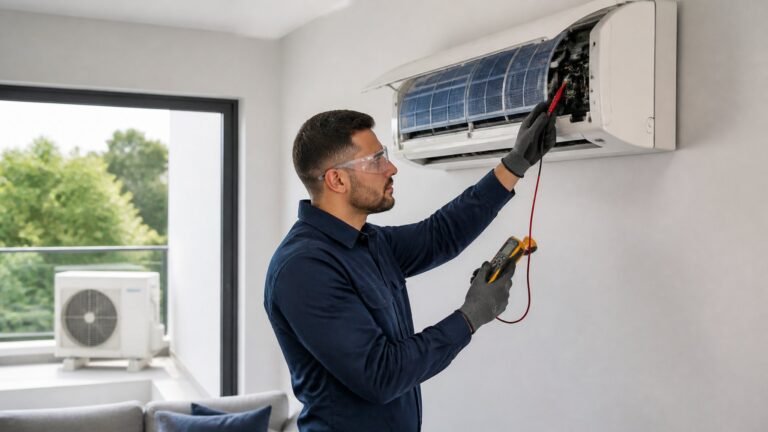
Air conditioning maintenance services help a system run reliably, manage energy use, and identify developing issues before they interrupt cooling. Routine professional care typically includes inspection, cleaning, performance checks, and adjustments that support efficient operation.
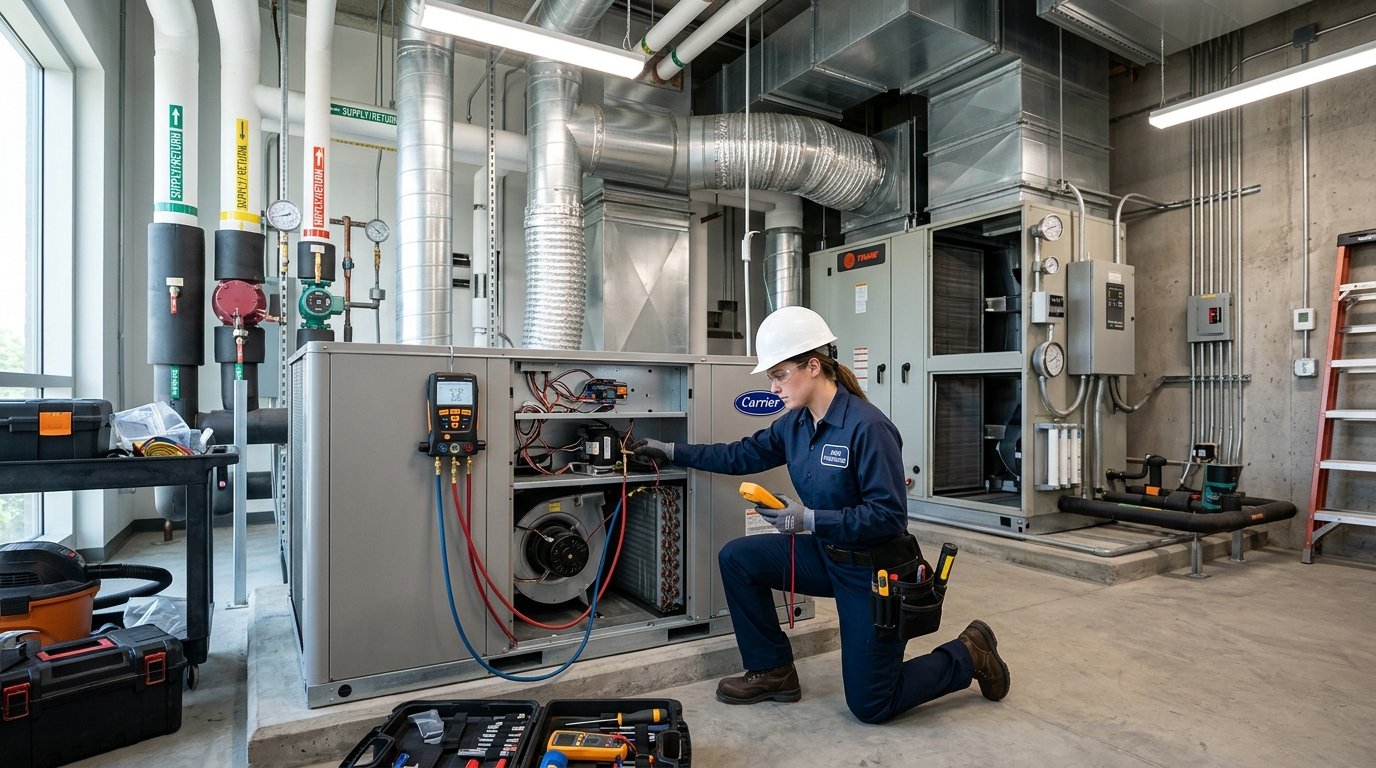
Property owners can benefit from knowing what a service visit covers, how often to schedule it, and which warning signs need prompt attention. Qualified NYC air conditioning maintenance providers can assess system condition and recommend appropriate repairs or ongoing service plans.
What Routine Care Includes
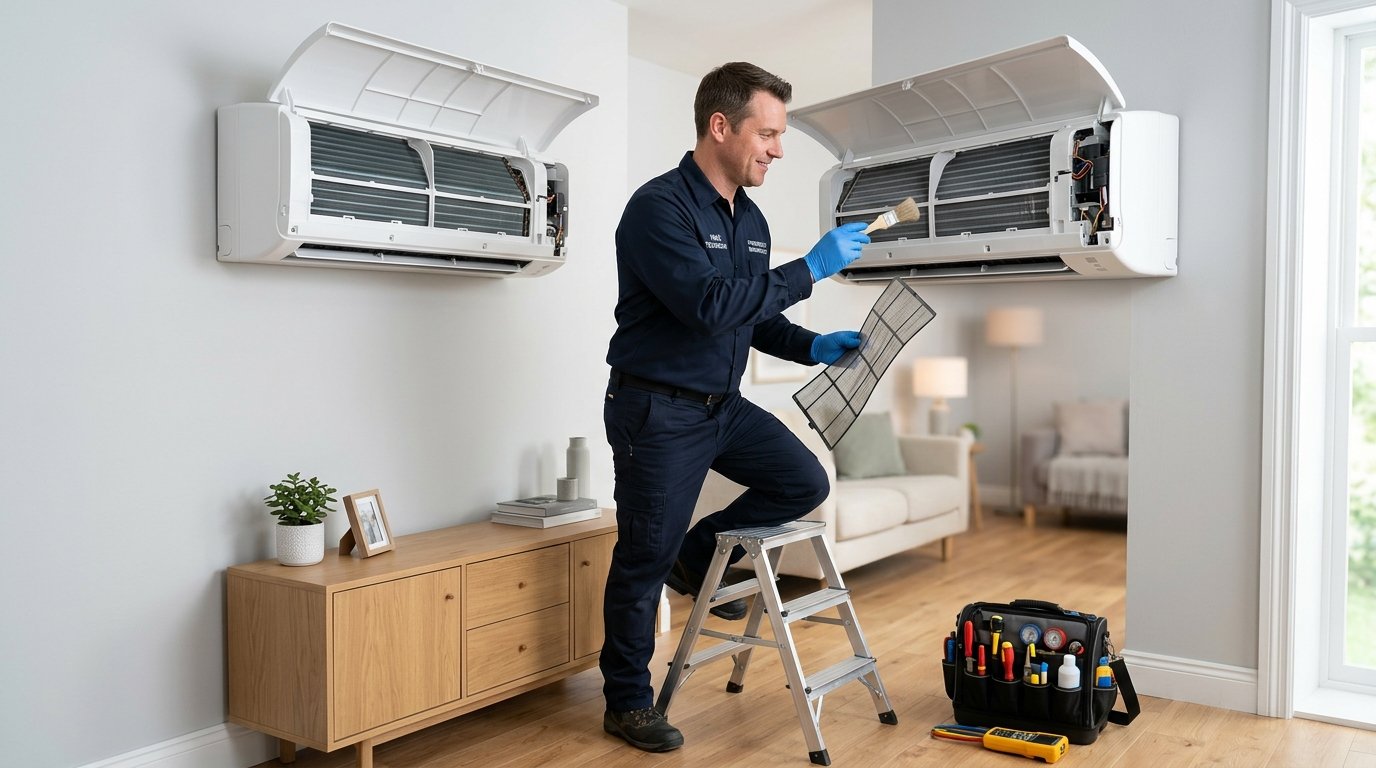
Routine AC care combines operational testing with targeted cleaning. A technician checks cooling performance, electrical controls, airflow, and drainage, then removes buildup that restricts heat transfer or blocks water removal.
Inspection And System Testing
The technician begins by verifying that the thermostat responds correctly and that the system starts, runs, and shuts off normally. They measure supply and return air temperatures, check airflow, and listen for unusual vibration or compressor noise.
They inspect accessible wiring, terminals, capacitors, contactors, and disconnects for heat damage, loose connections, or corrosion. Electrical problems can cause intermittent operation or prevent the outdoor unit from starting.
A complete visit also includes checking the condensate drain, blower operation, and refrigerant-related performance indicators. Refrigerant is not a consumable; if testing indicates a low charge, the technician should identify and repair a leak before adding refrigerant. A professional AC maintenance visit commonly includes system inspection and performance checks.
Cleaning Essential Components
The technician cleans the outdoor condenser coil when dirt, leaves, or pollen restrict airflow through it. They also clear debris around the outdoor unit so it can discharge heat properly.
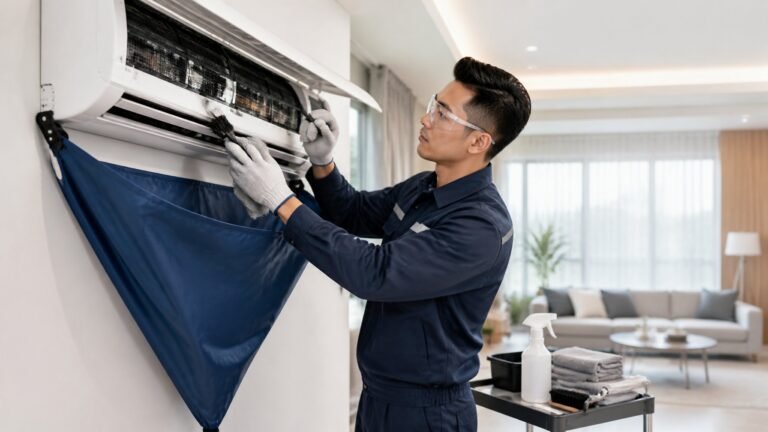
Inside, they inspect the evaporator coil and blower compartment for dust accumulation. Cleaning these parts may require access beyond routine homeowner care, especially when panels, wiring, or drain connections must be removed.
They flush or clear the condensate drain line and check the drain pan for standing water. This helps reduce the risk of water leaks and shutdowns caused by a blocked safety switch.
Homeowners should replace or clean the air filter at the interval specified for the filter and household conditions. A dirty filter restricts airflow, while a detailed seasonal AC maintenance checklist can help identify other basic tasks between professional visits.
Benefits Of Preventive Upkeep
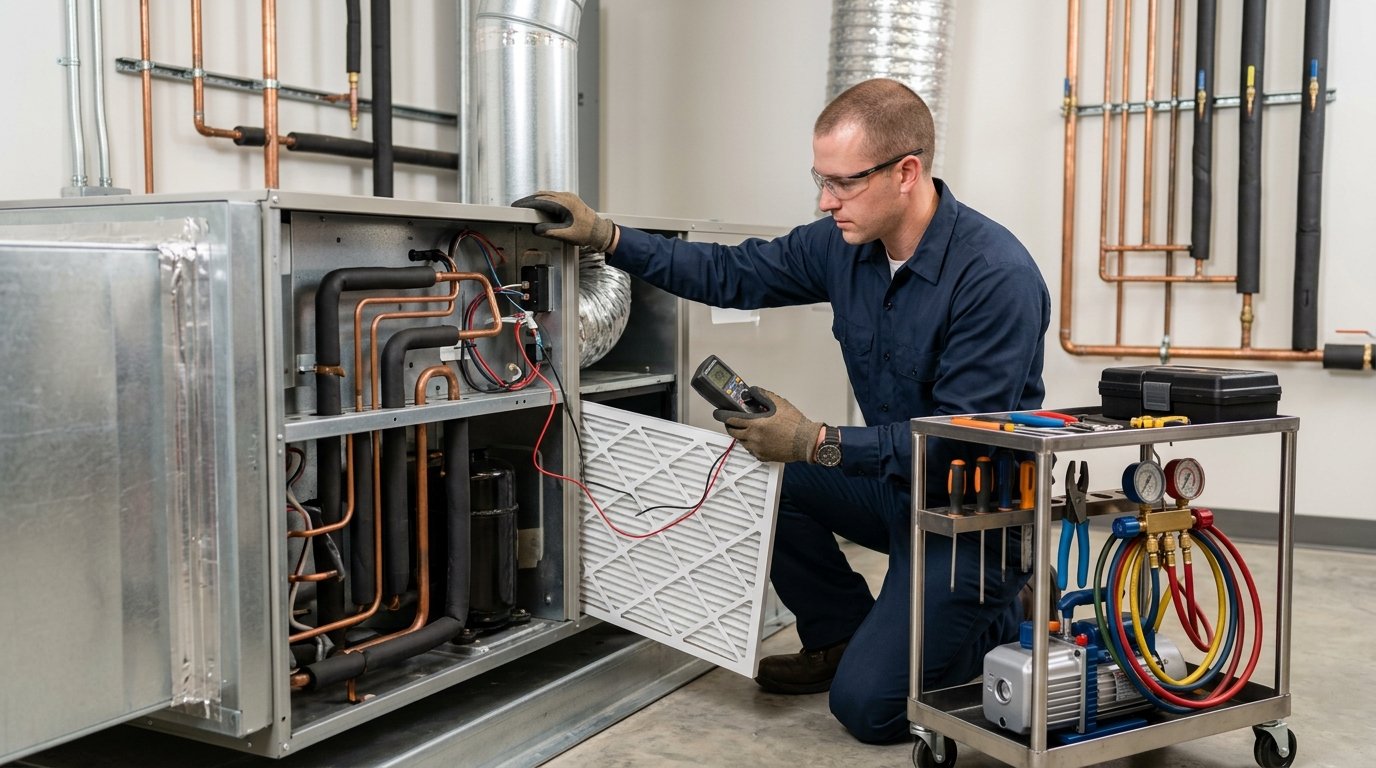
Preventive AC service keeps airflow unrestricted, refrigeration components clean, and electrical connections in working condition. These tasks help the system use less electricity and reduce wear on major equipment.
Improved Energy Efficiency
A maintained air conditioner can move heat more effectively because technicians remove debris from the outdoor coil, check the indoor coil, and confirm that the blower delivers proper airflow. Dirty coils and restricted filters force the unit to run longer to reach the thermostat setting.
During a maintenance visit, a technician typically checks:
- Air filters for blockage and correct fit
- Refrigerant performance for signs of leaks or improper charge
- Thermostat operation and cooling-cycle controls
- Condensate drainage to prevent water backups
- Outdoor-unit clearance so it can reject heat properly
Replacing a clogged filter regularly helps protect airflow between service visits. Scheduled AC preventive maintenance tasks also identify worn capacitors, loose electrical connections, and blower issues before they increase runtime or cause a shutdown.
Longer Equipment Lifespan
An AC system experiences less strain when its compressor, fan motors, coils, and drainage system operate under normal conditions. Preventive upkeep addresses small issues—such as a weak capacitor, blocked drain line, or dirty coil—before they place added load on these components.
Technicians inspect electrical parts for heat damage, tighten accessible connections, clean debris around the condenser, and look for refrigerant leaks. These checks can reduce the risk of operating a system with conditions that contribute to compressor damage, which is often one of the more expensive repairs.
Regular HVAC maintenance can help prevent major breakdowns by finding developing problems during planned service rather than after cooling performance declines. It also supports manufacturer maintenance requirements that may apply to warranty coverage.
Recommended Service Schedule
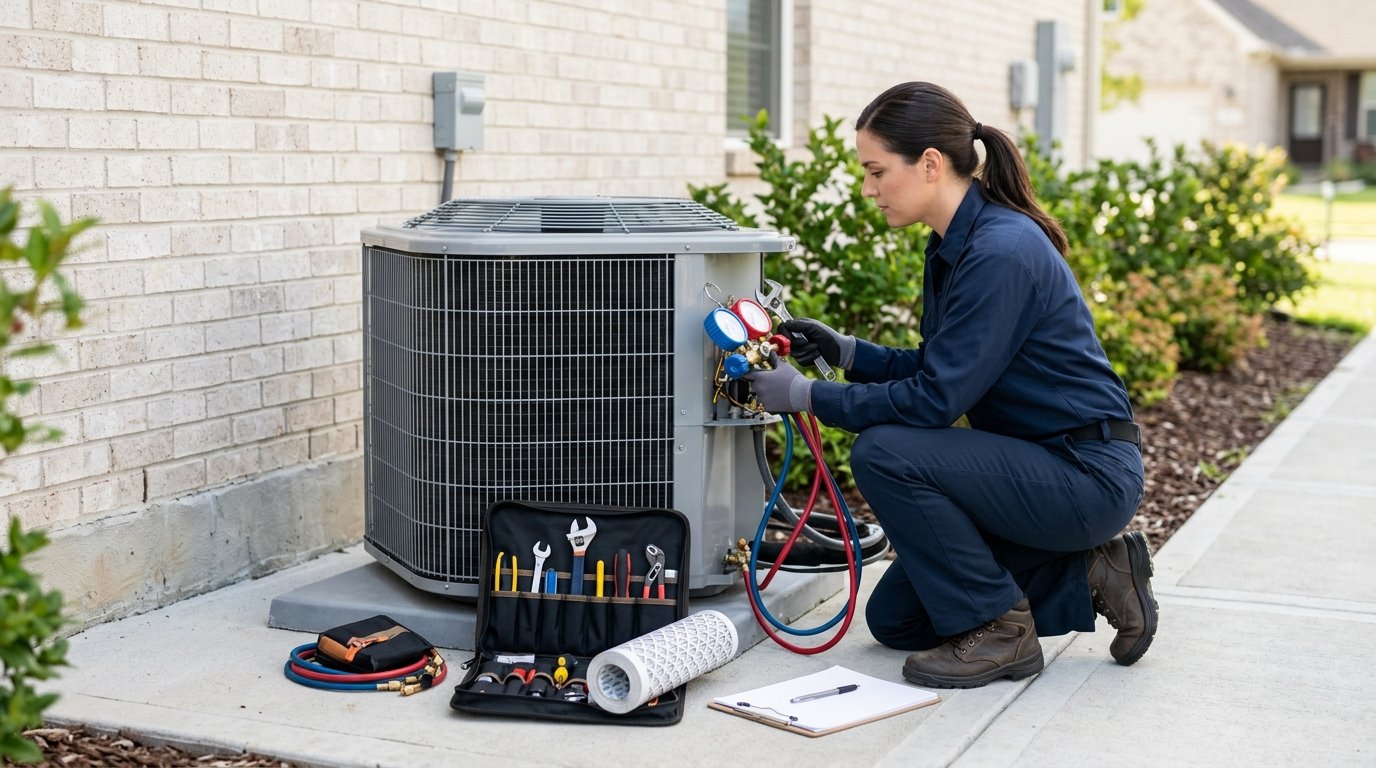
Most air conditioning systems need a professional inspection at least once each year, ideally before sustained cooling demand begins. Higher operating hours, dirtier environments, and critical cooling needs justify more frequent visits.
Seasonal Tune-Ups
Schedule a professional tune-up in spring, before the system starts daily cooling. A technician should clean or inspect filters, indoor and outdoor coils, condensate drainage, electrical connections, refrigerant circuit performance, and controls.
They should also test supply-air temperature, airflow, compressor operation, and unusual noise or vibration. Addressing a blocked drain, worn contactor, or restricted coil early can help prevent a breakdown during hot weather.
Buildings that use heat-pump air conditioning for heating should arrange a second inspection in autumn. This visit prepares the system for heating operation and checks defrost functions, outdoor-unit condition, and thermostat settings.
A UK air-conditioning servicing guide advises annual professional maintenance for most systems. The system manufacturer’s instructions and any warranty conditions should take priority where they require a different interval.
Maintenance Frequency By Usage
Service intervals should reflect actual operating conditions, not only the system’s age. A lightly used home unit generally needs one professional service each year, while continuously used equipment needs closer attention.
| System use | Recommended professional schedule |
|---|---|
| Seasonal residential cooling | Once yearly, before summer |
| Home heat pump used year-round | Twice yearly, in spring and autumn |
| Office, retail, or server-room cooling | Every 6 months, or as the maintenance plan specifies |
| Kitchen, workshop, pet-heavy, or dusty setting | Every 3–6 months, with frequent filter checks |
Occupants or facilities staff should check washable filters every one to three months and clean or replace them as required. They should keep outdoor units clear of leaves, packaging, and stored items that restrict airflow.
They should book service sooner if cooling weakens, water leaks indoors, energy use rises unexpectedly, or the unit emits persistent odours or unusual sounds. Frequent cycling and ice formation also require prompt inspection.
Common Warning Signs
Weak airflow, uneven room temperatures, unfamiliar sounds, and persistent odors often indicate that an air conditioner needs inspection or maintenance. Early service can identify restricted airflow, electrical wear, drainage problems, or failing mechanical parts before a breakdown occurs.
Weak Airflow And Uneven Cooling
Air should move steadily from each supply vent and cool rooms to a consistent temperature. Weak airflow may result from a clogged filter, blocked return grille, dirty evaporator coil, failing blower motor, or damaged ductwork.
Rooms that stay warmer than others can also point to leaky ducts, closed or obstructed vents, inadequate insulation, or an incorrectly sized system. A technician should test airflow, inspect ducts, and check refrigerant performance rather than treating temperature differences as normal.
Common signs include:
- Little air coming from one or more vents
- A system that runs for long periods without reaching the thermostat setting
- Warm air from vents while the outdoor unit operates
- Noticeable temperature differences between nearby rooms
Weak airflow and uneven cooling are common AC maintenance indicators, particularly when they develop after the system previously cooled the home evenly.
Unusual Noises And Odors
Most operating systems produce a low, steady fan and compressor sound. Rattling can indicate loose panels or hardware, while squealing may involve a worn belt or motor bearing. Grinding, scraping, or repeated clicking requires prompt professional attention because these sounds can involve electrical components, a blower motor, or compressor parts.
Odors also warrant inspection. A musty smell can develop when moisture accumulates around the evaporator coil or condensate drain, allowing microbial growth. A burning odor may come from overheated wiring, dust on components after a long shutdown, or a failing motor; the system should be turned off if the smell persists.
Maintenance should also address these conditions:
- Water leaks or standing water near the indoor unit
- A drain line that repeatedly clogs
- A sharp chemical odor that may indicate a refrigerant issue
- Loud startup or shutdown noises
Unusual AC noises, leaks, and weak cooling can require immediate maintenance to prevent further component damage.
Key Tasks Performed During A Visit
Technicians clean airflow components and inspect the system’s sealed refrigerant and electrical circuits. These steps help identify restricted airflow, drainage problems, wear, and operating issues.
Filter, Coil, And Drain Cleaning
The technician examines the air filter for dust buildup and damage. A clogged filter restricts airflow, which can reduce cooling output and place added strain on the blower motor; they replace or recommend replacing it when needed.
They inspect the indoor evaporator coil and outdoor condenser coil for dirt, leaves, and other debris. Coil cleaning improves heat transfer, while the outdoor unit also needs clear space around it for proper airflow. Homeowners can usually handle basic filter replacement and outdoor debris removal, but professional AC maintenance tasks include checks that require HVAC tools and training.
The technician also checks the condensate drain line and pan. They clear blockages or buildup that could cause water leaks, excess indoor humidity, or an automatic system shutdown.
Refrigerant And Electrical Checks
Technicians measure refrigerant operation and inspect accessible lines and connections for signs of leaks or damage. Refrigerant does not normally require routine refilling; a low reading may indicate a leak or another system fault that needs diagnosis and repair.
They inspect electrical connections, wiring condition, capacitors, contactors, and other controls for heat damage, corrosion, or loose terminals. Loose electrical connections can affect safe, reliable operation, so the technician tightens connections where appropriate.
The visit also includes checking blower and condenser fan performance, thermostat response, and cooling operation. A professional AC service appointment commonly covers refrigerant levels, electrical components, motors, and condensate drainage as part of a complete system inspection.
Choosing A Qualified Provider
A suitable contractor holds the right refrigerant certification, carries insurance, and documents the work clearly. The maintenance agreement should define visits, tasks, exclusions, response times, and costs before service begins.
Licensing, Experience, And Insurance
They should verify that any technician handling refrigerant holds the required F-gas certification for the equipment and work involved. A contractor should also provide its business details, certification evidence, and the name of the person responsible for the visit.
Experience should match the system type. A provider familiar with split systems may not have equivalent experience with VRF systems, rooftop units, heat pumps, or building-management controls. Property managers can compare rated air conditioning engineers in London, then confirm credentials directly with each business.
The contractor should carry public liability insurance and, where applicable, employer’s liability cover. They should explain whether the policy covers accidental property damage during maintenance and provide confirmation when requested.
Useful checks include:
- Manufacturer training for the installed equipment
- Recent experience with the same unit type and capacity
- A documented process for refrigerant leak checks and records
- Clear procedures for emergency faults and safe isolation
Service Plans And Written Estimates
A service plan should state the number of planned visits each year and list the work completed at each visit. Typical tasks may include cleaning filters and coils, checking condensate drainage, inspecting electrical connections, testing controls, and reviewing operating temperatures.
The agreement should distinguish routine maintenance from repairs. For example, replacement parts, refrigerant, major cleaning, access equipment, and out-of-hours attendance may sit outside the fixed plan price. Providers offering air conditioning maintenance plans for domestic and commercial systems should specify these limits in writing.
They should request a written estimate before approving chargeable work. It should show labour rates, parts, call-out charges, VAT, the estimated completion time, and any assumptions affecting price.
A useful estimate also identifies the equipment by location or model number. This prevents confusion when a site has several indoor and outdoor units.
Preparing For A Technician Appointment
They should schedule AC maintenance before peak cooling demand when possible. A typical visit may include inspection, cleaning, electrical checks, and refrigerant-level assessment; professional AC maintenance appointments often take 60–90 minutes, although system condition can affect timing.
Before the technician arrives, they should:
- Clear access to the indoor air handler, thermostat, return vents, and outdoor condenser.
- Remove stored items, debris, and vegetation near the equipment.
- Secure pets away from work areas and keep children clear of the technician’s path.
- Have an adult available to answer questions and approve recommended work, if needed.
They should note any concerns in advance, including uneven cooling, unusual noises, odors, higher utility bills, water around the unit, or frequent cycling. Details about when the issue occurs can help the technician inspect the right components.
Maintenance and repair records also help. Previous installation, service, and repair documentation can give the technician useful context about recurring issues, replacement parts, and past recommendations.
They should ask for a clear explanation of any findings, including which work is routine maintenance, which repairs are optional, and whether an issue requires prompt attention.
Maintenance Costs And Service Agreements
AC maintenance pricing depends on the system’s age, type, condition, and local labor rates. A one-time AC tune-up commonly costs $70 to $200, while diagnostic service calls may carry a separate fee if technicians find a repair issue.
| Service option | Typical reported cost | Best fit |
|---|---|---|
| Single tune-up | $70–$200 | Owners who prefer to schedule visits as needed |
| Annual maintenance plan | $120–$360 | Owners who want scheduled preventive visits |
Service agreements usually cover one or two planned visits each year. Technicians may inspect electrical connections, clean components, check refrigerant-related performance, test drainage, and verify thermostat operation; the specific checklist varies by provider and plan.
Many providers bundle heating and cooling visits, and multi-season HVAC contracts may include discounts. They often also provide priority scheduling or reduced repair charges, but customers should confirm these terms before enrolling.
Before signing, they should compare the number of visits, covered equipment, exclusions, cancellation terms, and repair discounts. A written agreement should clearly identify labor charges, parts coverage, emergency-service rules, and any fees outside scheduled maintenance.
Frequently Asked Questions
Routine servicing combines cleaning, safety checks, performance testing, and early fault detection. Visit frequency, scope, cost, and energy effects depend on the system type, operating hours, condition, and installation environment.
How often should an air conditioner be serviced?
Most home air-conditioning systems benefit from professional servicing once each year, ideally before the main cooling season. Systems that also provide heating, operate for long hours, or sit in dusty environments may need more frequent checks.
A technician should follow the manufacturer’s maintenance schedule where it specifies a different interval. Regular UK air-conditioning maintenance guidance also commonly recommends cleaning filters between professional visits.
What is included in a standard AC maintenance visit?
A standard visit usually includes inspection and cleaning of accessible indoor and outdoor components. The engineer may clean or assess filters, coils, condensate drains, fans, electrical connections, and remote-control operation.
They also check cooling performance, airflow, unusual noise, visible damage, and refrigerant-system condition. Work involving refrigerant must be completed by an appropriately qualified engineer under applicable F-Gas requirements; air-conditioning servicing FAQs note the importance of compliance in this work.
The exact scope varies between providers and service plans. A repair, replacement part, deep coil clean, or refrigerant leak investigation may fall outside a routine maintenance appointment.
How much does routine air conditioner maintenance typically cost?
There is no single standard price for routine maintenance. Contractors usually base the charge on the number of indoor units, system type, access to outdoor equipment, location, required cleaning, and whether the property has a maintenance agreement.
A single domestic split system generally costs less to service than a multi-split or commercial installation. Property owners should confirm whether the quoted fee includes call-out costs, consumables, labour, performance checks, and a written service record; UK maintenance and repair information explains how service packages and repair needs can affect costs.
Why is regular AC maintenance important for home cooling systems?
Maintenance removes dirt that can restrict airflow through filters, coils, and fans. Restricted airflow can reduce cooling output, increase operating time, and place extra strain on system components.
Engineers can also identify blocked condensate drains, worn electrical parts, damaged insulation, unusual vibration, and early signs of refrigerant leaks. Addressing minor faults before they develop can reduce the risk of a breakdown during hot weather.
For air-to-air heat pumps, maintenance also supports reliable heating operation in cooler months. Residential AC maintenance advice notes that many modern systems provide both cooling and heating.
What are the signs that an air conditioner needs maintenance?
Reduced airflow, uneven room temperatures, longer cooling cycles, and weak cooling often indicate that the system needs inspection. Dirty filters, obstructed coils, fan problems, or controls faults can contribute to these symptoms.
Water dripping from an indoor unit, musty odours, rattling, buzzing, or repeated shutdowns also require attention. A blocked drain, loose component, electrical issue, or microbial growth may cause these problems.
Ice on pipework or the indoor coil, visible damage, and a sudden rise in electricity use warrant prompt professional assessment. They can indicate airflow restrictions or a refrigerant-system fault.
Can regular maintenance help reduce AC energy bills?
Yes. Clean filters and coils allow air to move more easily, so the system can reach the set temperature with less unnecessary running time. Correct airflow and properly operating fans also support more consistent cooling.
Maintenance cannot guarantee a specific reduction because electricity use also depends on weather, thermostat settings, insulation, room size, and occupant behaviour. However, planned preventive maintenance aims to prevent faults and maintain efficient operation, as described in planned AC maintenance guidance.