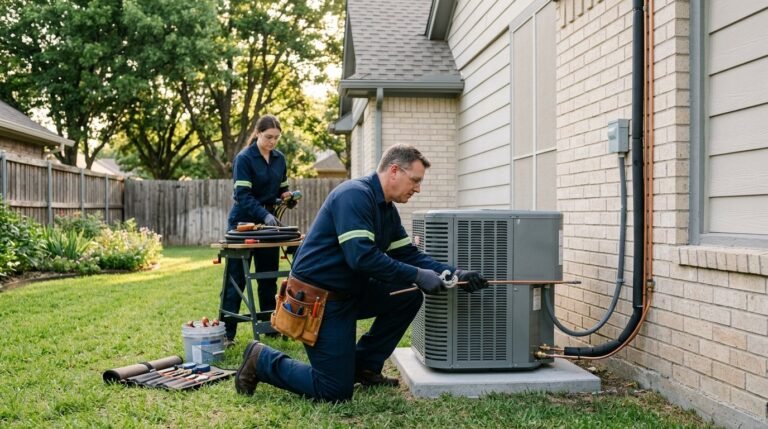
Home Air Filter Replacement Service North Richland Hills Guide
A home air filter replacement service in North Richland Hills helps homeowners keep HVAC systems supplied with clean, properly fitted filters. Regular filter changes can support steady airflow, reduce dust buildup, and help the system operate efficiently.
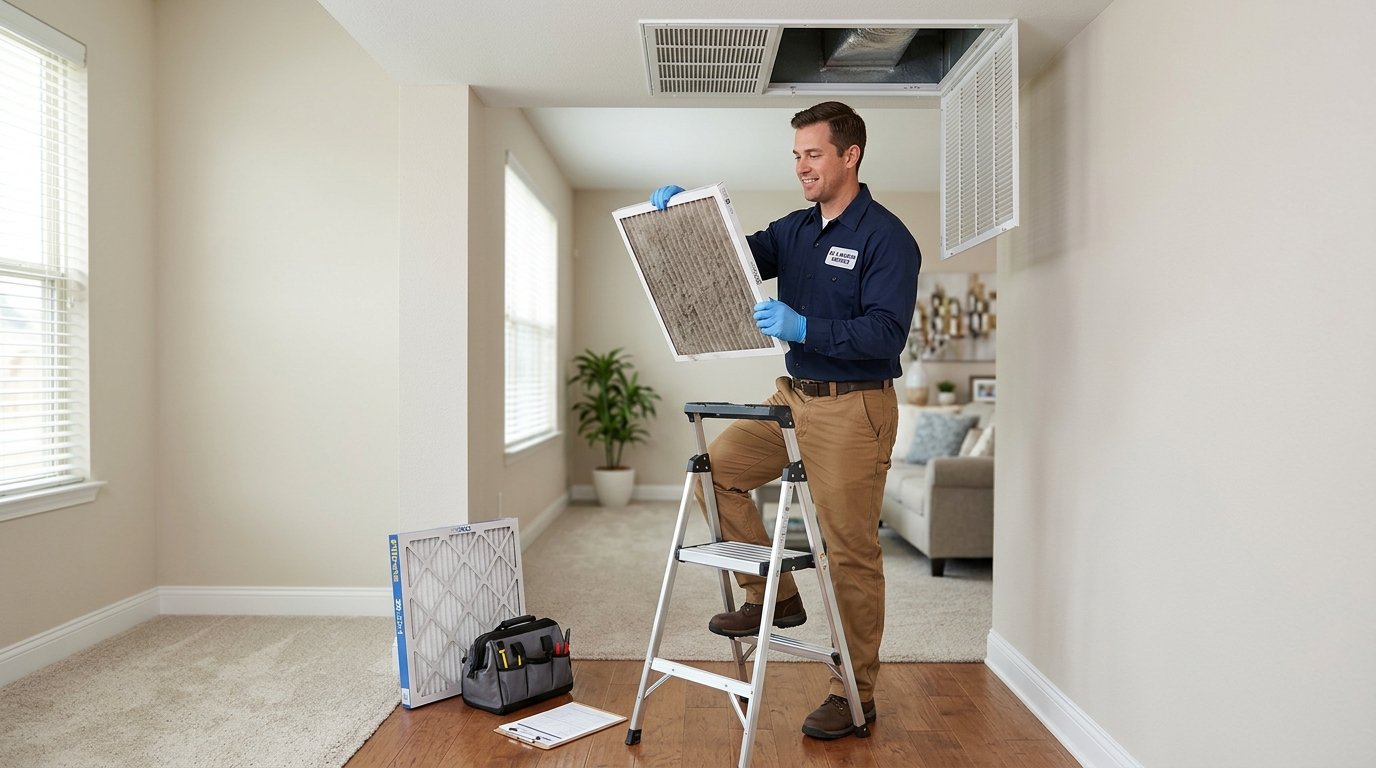
Homeowners should watch for reduced airflow, visible dust, allergy symptoms indoors, and filters that appear dirty or clogged. The right filter type, size, and replacement interval depend on the HVAC system, household conditions, pets, and local outdoor air conditions.
A qualified North Richland Hills filter installation service can confirm proper fitment and address related airflow concerns. Between visits, homeowners can check filters regularly and keep vents clear to support cleaner indoor air.
Why Clean Air Filters Matter
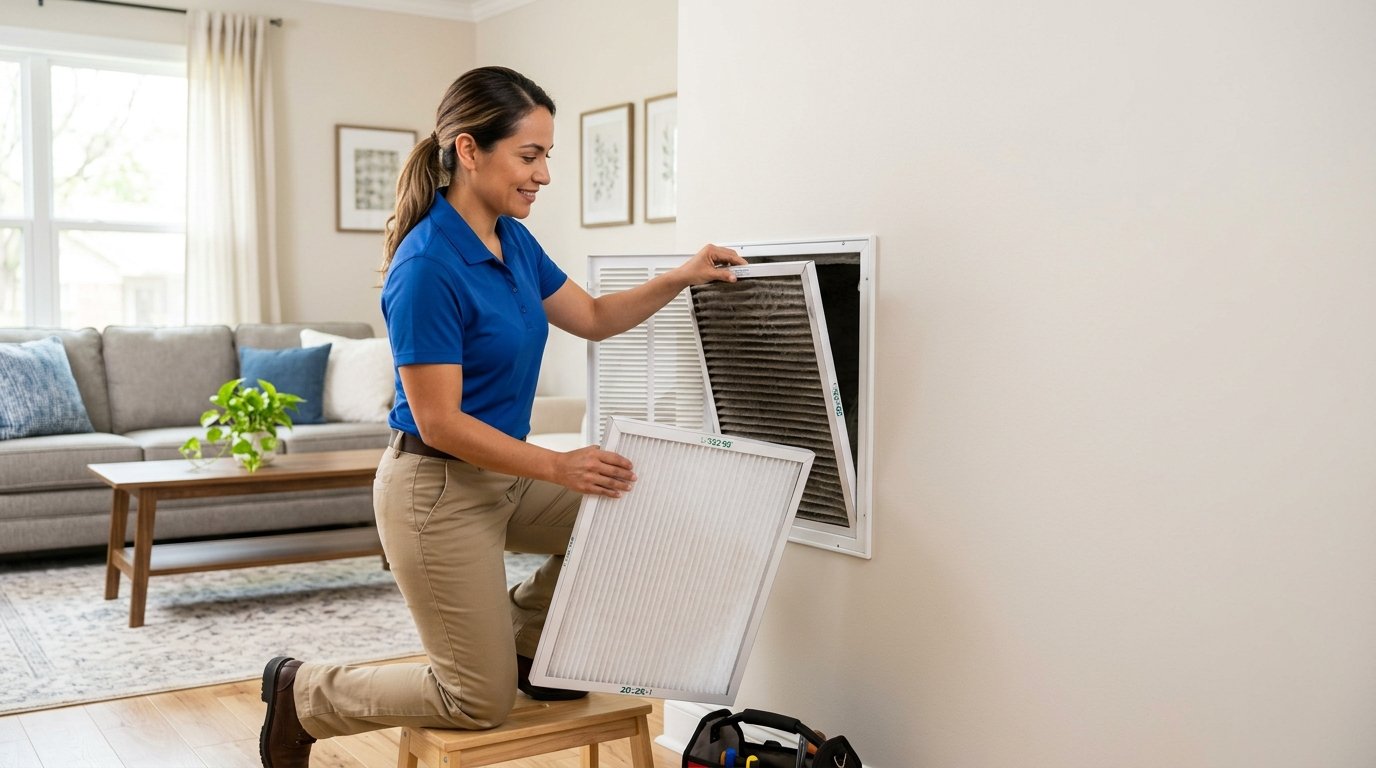
Clean filters capture airborne particles before they circulate through living areas and HVAC equipment. They also help maintain airflow, which affects comfort, energy use, and system wear.
Indoor Air Quality Benefits
A properly fitted HVAC filter collects common airborne materials such as dust, pollen, pet dander, lint, and larger debris. This reduces the amount of material that can recirculate when the heating or cooling system runs.
Households with pets, smokers, recent construction work, or occupants affected by seasonal allergies may see filters load more quickly. A technician can inspect the filter cabinet, confirm the correct size, and identify gaps that allow unfiltered air to bypass the filter.
Filter selection matters. Higher-efficiency filters can capture smaller particles, but a filter that is too restrictive for the equipment may reduce airflow. A professional should match the filter’s MERV rating to the HVAC manufacturer’s specifications and the home’s air-quality needs.
Homeowners can also follow practical air-filter replacement guidance when arranging routine maintenance. Replacing a visibly dirty or damaged filter helps keep the return-air path cleaner.
HVAC Efficiency And Energy Use
As a filter fills with debris, it creates more resistance in the return-air system. The blower then works harder to pull air through the filter, and the air conditioner or furnace may run longer to reach the thermostat setting.
Restricted airflow can contribute to uneven room temperatures, reduced cooling output, and added strain on components such as the blower motor. During North Richland Hills cooling seasons, an overloaded filter can make an AC system less effective when it needs steady airflow most.
Many homes need a filter change every 30 to 90 days, though the correct interval depends on filter type, household conditions, and system runtime. Regular air-filter replacement supports efficient HVAC operation and can help prevent avoidable maintenance issues.
A service visit should include checking the filter’s direction, frame condition, and seal. Even a clean filter cannot perform correctly if it is installed backward, bent, or undersized.
Signs It Is Time For A Filter Change
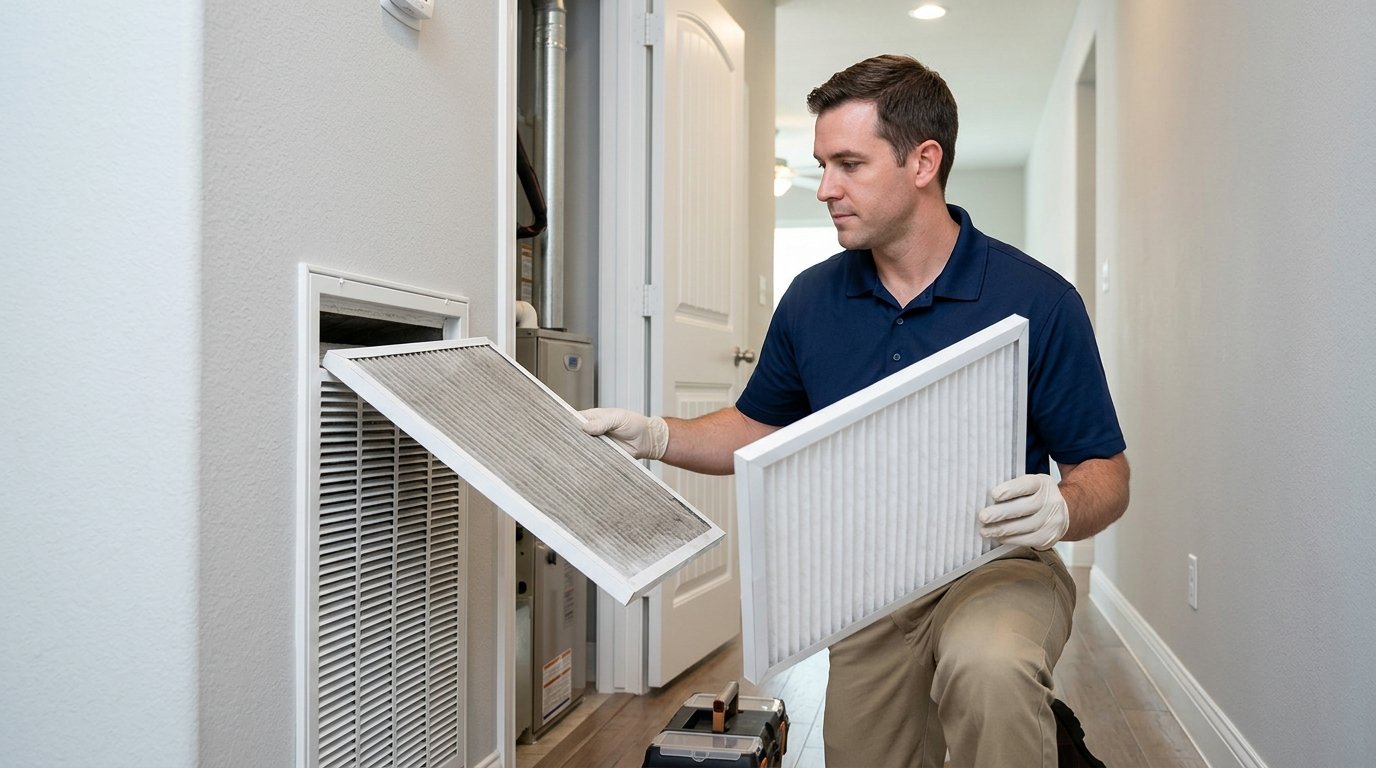
A clogged HVAC filter restricts air movement, lets airborne dust circulate, and can make system operation louder. North Richland Hills homeowners should inspect the filter when these changes appear rather than waiting for a fixed calendar date.
Reduced Airflow From Vents
When a filter collects dust, pet hair, and other particles, it creates resistance in the return-air path. The blower then has to work harder to move conditioned air through the system, and rooms may receive less air from supply vents.
A homeowner may notice that a vent produces a weaker stream than usual, certain rooms stay warmer or cooler than the thermostat setting, or the system runs longer to reach the selected temperature. These symptoms can also indicate duct, blower, or thermostat issues, but the filter provides the fastest item to check.
They should turn off the HVAC system, remove the filter, and inspect it under good light. A filter covered in gray debris or one that does not allow light to pass through easily usually needs replacement. Weak vent airflow and uneven indoor temperatures are practical signs that warrant an inspection.
Important: They should install the size and MERV rating specified for the system. A filter that is too restrictive can reduce airflow even when it is clean.
More Dust Around The Home
A properly fitted filter captures a portion of the airborne particles that return to the HVAC system. As it loads with debris or develops gaps around its frame, more dust may remain in circulation and settle on furniture, shelving, registers, and floors.
They may find that surfaces need dusting more frequently, especially near supply vents. Pet hair, construction dust, open windows, and high indoor activity can also increase dust, so dust alone does not confirm that the filter has failed.
The homeowner should check that the filter sits flat in the cabinet and that its airflow arrow points toward the equipment. They should replace filters according to the manufacturer’s schedule and sooner when pets, allergies, or frequent HVAC use cause faster buildup. Filter-change timing depends on usage, household conditions, and filter type.
- 1-inch filters: often require more frequent checks.
- Homes with pets: may need earlier replacement due to hair and dander.
- Renovation work: can load a filter quickly with fine dust.
Unusual HVAC System Sounds
A dirty filter can make the blower work against restricted airflow. This strain may contribute to louder rushing air, a persistent blower sound, or a system that starts and stops more often than normal.
They should not assume every HVAC sound comes from the filter. Rattling can indicate a loose panel, whistling may point to an air leak or undersized return, and grinding or squealing can signal a mechanical issue that needs professional service.
First, the homeowner can replace an overdue filter and ensure the access panel closes securely. If the sound continues after a clean, correctly installed filter is in place, they should arrange an HVAC inspection rather than repeatedly changing filters.
Do not run the system without a filter. Operating without one can allow debris to accumulate on internal components and may create a larger maintenance problem.
Choosing The Right Filter
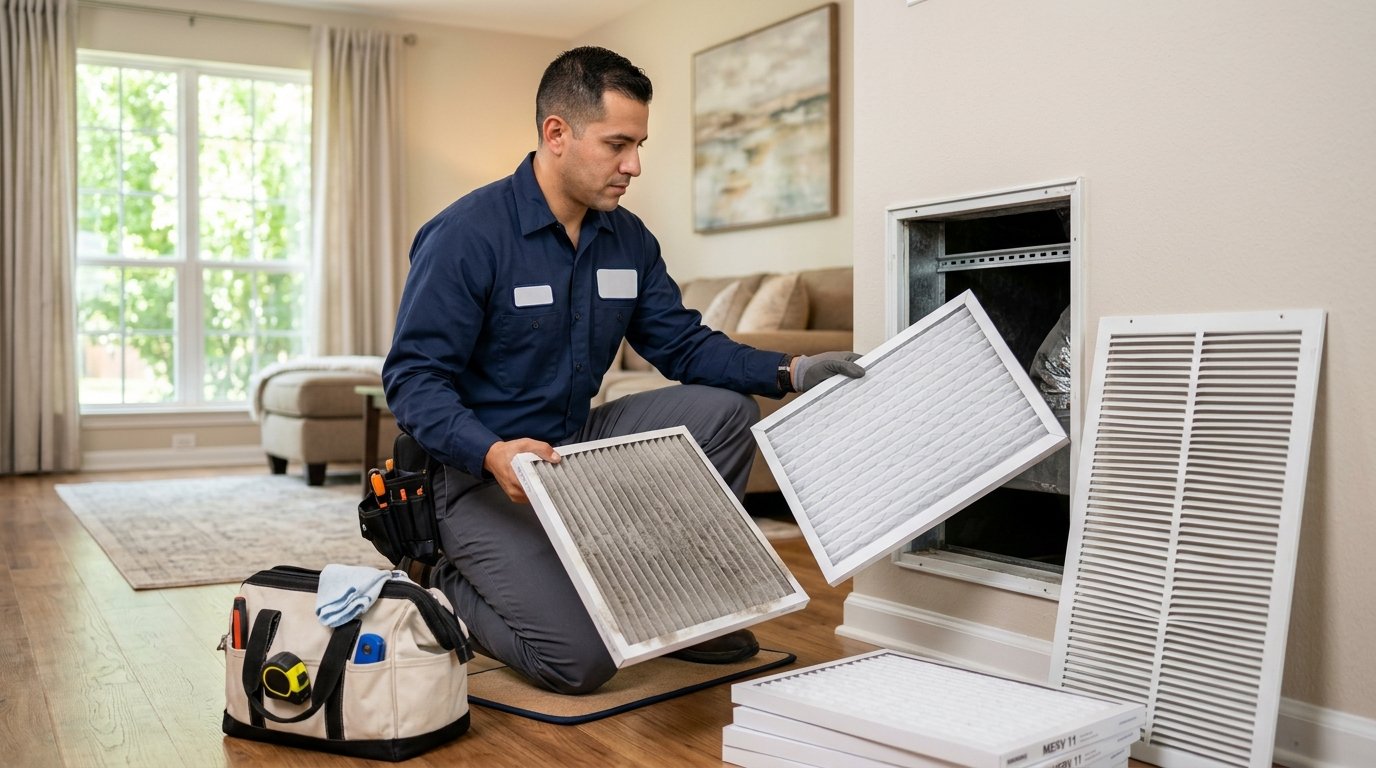
The correct filter balances particle capture with the HVAC system’s required airflow. Homeowners should verify the filter’s efficiency rating, exact dimensions, and household needs before scheduling replacement.
Understanding MERV Ratings
A MERV rating measures how effectively an HVAC filter captures airborne particles. Higher numbers catch smaller particles, but they can also create more airflow resistance if the system cannot support them.
| MERV range | Typical use |
|---|---|
| MERV 6–8 | Basic household dust, lint, and pollen |
| MERV 9–12 | Homes with pets, moderate allergies, or higher dust levels |
| MERV 13 | Enhanced filtration for fine particles; requires HVAC compatibility |
Many North Richland Hills homes use MERV 8 to 11 filters because they provide practical filtration without unnecessarily restricting airflow. A technician can confirm whether a system can use MERV 13 before installation.
A clogged high-MERV filter can reduce supply-air volume and increase strain on the blower. Local HVAC guidance also notes that a dirty filter can restrict airflow and reduce comfort during warmer weather, making seasonal HVAC filter replacement important.
Matching Filter Size And Type
The filter’s printed nominal size—such as 16 × 25 × 1—must match the return grille or filter cabinet. Homeowners should also check the actual size printed on the frame, which may be slightly smaller, such as 15½ × 24½ × ¾ inches.
Filter depth matters. A one-inch filter generally needs replacement more often than a four- or five-inch media filter, which has more surface area and may last longer when properly sized.
Common choices include:
- Pleated filters: Suitable for most residential systems and available in several MERV ratings.
- Fiberglass filters: Low cost and low resistance, but limited particle capture.
- Media filters: Deeper cabinet-mounted filters with greater capacity.
- Washable filters: Reusable, but they require complete drying and often provide lower filtration efficiency.
A filter should fit securely without bending or leaving gaps around the frame. Homeowners can seek air filter selection and replacement support in Richland Hills when the correct size, filter cabinet type, or efficiency level is uncertain.
Filters For Allergies And Pets
Homes with allergy concerns often benefit from a MERV 11 or MERV 13 filter if the HVAC equipment supports it. These filters can capture more fine dust, pollen, pet dander, and some smoke-related particles than basic filters.
Pet owners should inspect filters more often because fur and dander load the media quickly. A one-inch filter in a home with multiple pets may need checking every 30 days, even if its stated replacement interval is longer.
Filtration does not remove every allergen from a home. Regular vacuuming, cleaning return grilles, controlling indoor humidity, and keeping windows closed during high-pollen periods can reduce the amount of material reaching the filter.
A qualified technician should assess airflow before recommending HEPA-style whole-home filtration, since these systems often require specialized equipment and installation.
Professional Replacement Process
A professional visit starts with confirming the correct filter specifications and ends with verifying that the HVAC system can move air without unnecessary restriction. The technician checks the filter cabinet, installs a properly sized replacement, and tests basic system operation.
System Inspection And Filter Removal
The technician first identifies the filter location, which may be behind a return-air grille, inside a wall or ceiling slot, or at the air handler. They verify the length, width, depth, and MERV rating required by the equipment and household needs before removing the existing filter.
They inspect the old filter for heavy dust buildup, bending, moisture damage, and incorrect installation. A clogged or collapsed filter can limit return airflow and place added strain on the blower.
The filter compartment also needs attention. The technician checks that the access door closes securely and that the rack does not leave gaps around the filter, since unfiltered air can bypass the media. Homeowners seeking a scheduled HVAC filter replacement service serving North Richland Hills can use a provider to handle fit and condition checks during the visit.
Proper Filter Installation
The technician installs a replacement that matches the cabinet dimensions exactly. A filter that is too small can allow air to pass around its edges, while one that is too large may bend or prevent the access panel from sealing.
They align the filter’s airflow arrow with the direction of air moving toward the blower or air handler. This orientation matters because pleated media and supporting wire are designed to resist airflow from one direction.
Key installation checks include:
- Correct fit: The filter sits flat in the rack without folding or forcing it into place.
- Appropriate rating: The MERV level balances particle capture with the system’s airflow capacity.
- Secure closure: The grille or cabinet door is fully reinstalled after replacement.
A technician should not install a higher-efficiency filter solely because it captures smaller particles. Dense filters can create excess resistance when the HVAC system is not designed for them.
Airflow And Performance Check
After installation, the technician runs the heating or cooling system and listens for unusual blower noise, whistling at the return grille, or panel vibration. These signs can indicate an improperly seated filter, a blocked return path, or a cabinet seal issue.
They also confirm that air returns normally through the grille and that the filter remains stable when the blower starts. If airflow seems reduced, the technician may inspect accessible return vents, the filter rack, and the blower compartment for conditions that require further service.
The technician records the replacement date and recommends an interval based on filter type, household occupancy, pets, dust levels, and system runtime. This gives the homeowner a practical schedule rather than relying on a fixed timeframe for every home.
Recommended Replacement Schedule
Filter type, system runtime, household occupants, pets, and indoor-air needs determine the right replacement interval. Homeowners should check the filter monthly and replace it before visible buildup restricts airflow.
Standard Household Timing
Most North Richland Hills homes should replace a 1-inch disposable filter every 30 to 90 days. A basic fiberglass filter usually needs replacement closer to 30 days, while a pleated filter may last 60 to 90 days under normal conditions.
| Household condition | Typical replacement interval |
|---|---|
| Low occupancy, no pets | 60–90 days |
| Average household | 30–60 days |
| High HVAC use or dusty conditions | 30 days |
A homeowner should inspect the filter monthly even when using a 90-day-rated model. They should replace it early if it looks gray, has visible dust across the pleats, bends under its own weight, or produces a musty odor.
A clogged filter can reduce airflow and make the equipment run longer. Residents who need help with filter selection or routine HVAC care can compare North Richland Hills HVAC maintenance providers that offer local service.
Homes With Pets Or Allergies
Homes with one or more pets generally need a new filter every 30 to 45 days. Pet hair, dander, and tracked-in debris load a filter more quickly, particularly when pets spend time near return-air grilles or furniture.
Households managing allergies, asthma, or other respiratory sensitivities may benefit from a pleated filter with a suitable MERV rating. Many residential systems work well with MERV 8 to MERV 11 filters, but the homeowner should follow the equipment manufacturer’s guidance before installing higher-resistance media.
A high-MERV filter does not automatically improve a system if it restricts airflow beyond the blower’s capacity. An HVAC technician can confirm whether the system can support a denser filter and identify return-air issues during a North Richland Hills HVAC inspection or maintenance visit.
Seasonal Maintenance Considerations
North Richland Hills air conditioners often operate heavily from late spring through early fall. Homeowners should install a clean filter before sustained cooling weather begins and inspect it every 30 days during periods of frequent operation.
They should also replace the filter before turning on heating for the first extended cold spell. This removes dust accumulated during milder months and helps maintain steady airflow when the furnace begins regular cycles.
Filter changes pair well with seasonal maintenance tasks:
- Spring: Replace the filter before peak air-conditioning use.
- Mid-summer: Inspect monthly and replace sooner if the system runs daily.
- Fall: Install a clean filter before heating season.
- Winter: Check after holiday gatherings, indoor projects, or increased pet activity.
A service provider can include filter checks with heating and cooling maintenance in North Richland Hills when homeowners prefer scheduled professional care.
Local Considerations In North Richland Hills
North Richland Hills homes often run cooling equipment for extended periods, which increases filter loading and makes regular inspection important. Seasonal pollen and windblown dust can also affect indoor air quality and filter-change timing.
Texas Heat And Cooling Demand
During hot weather, an air conditioner may operate for many hours each day. That airflow pulls more dust, pet dander, and household particles through the return filter than it would during mild-weather periods.
Residents should check a 1-inch filter every 30 days during heavy cooling use. A replacement is appropriate sooner if the filter looks gray, bows inward, restricts airflow, or leaves visible dust around return grilles.
A higher-efficiency filter can capture smaller particles, but it must match the HVAC system’s airflow capacity. A service technician can confirm the correct size, fit, and MERV rating during routine maintenance; several North Richland Hills HVAC service providers offer local heating and cooling support.
- Avoid stacking filters or forcing an incorrect size into the grille.
- Keep return vents open and clear of furniture.
- Record replacement dates so heavy-use intervals do not get missed.
Pollen And Outdoor Air Conditions
North Texas pollen commonly changes by season: tree pollen can rise in spring, grasses can affect late spring and summer, and ragweed often becomes more noticeable in fall. Open windows, frequent door use, and outdoor activity can bring these particles indoors.
Homes with allergy-sensitive occupants may benefit from a properly fitted MERV 11 to MERV 13 filter if the system manufacturer allows it. The filter should seal tightly at the edges; air bypassing the frame reduces filtration regardless of its rating.
A local service visit can also identify duct leakage, a dirty return grille, or airflow problems that make filters clog faster. For households considering enhanced filtration, HEPA filter installation in North Richland Hills may require equipment designed to handle the added resistance.
Preparing For A Service Visit
A technician can work more efficiently when the filter location is accessible and the household has identified air-quality concerns. Basic details about the system, filter history, and room-specific issues help guide the visit.
Locating The Filter Access Point
The resident should identify each filter location before the appointment. Common access points include a return-air grille in a ceiling or wall, a slot beside the indoor HVAC unit, or a filter cabinet attached to ductwork near the furnace or air handler.
They should clear boxes, furniture, and stored items from the area. A technician needs enough room to remove the old filter, inspect the filter rack, and confirm that the replacement fits without gaps or bending.
If possible, the resident should note the filter size printed on its frame, such as 16 × 25 × 1. They should also mention whether the system uses more than one filter, which is common in larger homes or homes with multiple return vents.
A professional can also check whether the existing filter type suits the equipment and household needs. Home air filter replacement and installation services may include fitting the correct filter and examining related airflow concerns.
Sharing Indoor Air Concerns
The resident should describe specific problems rather than simply reporting poor air quality. Useful details include persistent dust on furniture, pet hair near return vents, unusual odors, uneven airflow, visible debris around grilles, or increased allergy symptoms while indoors.
They should state when the issue occurs and where it is most noticeable. For example, they can report that a bedroom feels dusty after the system runs, or that a musty odor appears only when cooling starts.
The technician should know about household conditions that affect filter selection, including pets, smoking, recent remodeling, fireplaces, or occupants with allergies. Higher-efficiency filters can capture smaller particles, but an overly restrictive filter may reduce airflow if the system cannot support it.
When filtration alone may not address the concern, the technician can discuss whole-home air filtration options in North Richland Hills. The resident should also share the date of the last filter replacement and whether the system has needed frequent changes.
Maintaining Better Air Between Visits
Clear airflow paths and routine HVAC upkeep help a replacement filter perform as intended and reduce avoidable strain on the system.
Keeping Vents And Returns Clear
Homeowners should keep supply vents and return grilles uncovered by furniture, rugs, curtains, or storage. A blocked return limits the air reaching the filter and can leave certain rooms warmer, cooler, or stuffier than others.
They should vacuum visible dust from grilles and surrounding walls every few weeks. They should not push a vacuum hose deep into ductwork or remove duct components without proper equipment.
| Area | Practical action |
|---|---|
| Return grille | Keep at least several inches of open space around it. |
| Supply vent | Open the register and avoid directing furniture against it. |
| Filter slot | Ensure the access panel closes securely after each filter change. |
If a grille collects heavy dust soon after cleaning, residents can ask an HVAC technician to inspect airflow, duct condition, and filter fit. Local filter installation and filtration services can also help identify a filter type that matches the system’s requirements.
Supporting Overall HVAC Care
A clean filter works with—not instead of—regular equipment maintenance. Homeowners should follow the filter-change interval recommended for their household, adjusting sooner when pets, smoke, construction dust, or heavy system use increases particle buildup.
They should check that the filter arrow points toward the blower compartment. An incorrectly installed filter can restrict airflow or allow air to bypass its filtering material.
Important maintenance tasks include:
- Scheduling seasonal heating and cooling inspections.
- Keeping the outdoor condenser free of leaves, grass clippings, and debris.
- Reporting rattling, reduced airflow, unusual odors, or repeated thermostat cycling promptly.
- Having condensate drains and electrical connections checked during professional service.
Routine HVAC maintenance in North Richland Hills can address system conditions that a filter replacement alone cannot correct.
Frequently Asked Questions
Filter replacement schedules, service scope, costs, filter selection, safe system operation, and rental responsibilities depend on the equipment, household conditions, and lease terms. North Richland Hills homeowners should match filter size and MERV rating to the HVAC manufacturer’s requirements.
How often should I replace my home HVAC air filter?
Most 1-inch disposable filters need replacement every 30 to 90 days. Homes with pets, smokers, construction dust, allergies, or frequent HVAC operation often need changes every 30 days.
Thicker 4-inch or 5-inch media filters may last 6 to 12 months, depending on the system and indoor conditions. A filter should be replaced sooner if it looks visibly loaded with dust, restricts airflow, or causes rooms to heat or cool unevenly.
A technician providing HVAC filter replacement services in nearby Hurst, Bedford, and North Richland Hills can confirm the correct filter dimensions and replacement interval.
What is included in a professional air filter replacement service?
A professional visit typically includes identifying the correct filter size, removing the used filter, installing a properly oriented replacement, and checking that the filter cabinet or return grille closes securely. The technician should verify the airflow arrow points toward the blower or air handler.
Service may also include inspecting the return duct opening, filter rack, thermostat settings, and visible signs of airflow restriction. If the filter does not fit correctly, the technician may recommend a compatible filter or repair to the filter housing.
Some companies also provide broader HVAC maintenance and system inspection services in North Richland Hills, which can include additional heating and cooling checks beyond filter replacement.
How much does an HVAC air filter replacement service cost?
Cost depends on the filter’s size, thickness, MERV rating, access to the equipment, and whether the visit includes maintenance. A standard filter costs less than a deep media filter, an electronic air cleaner filter, or a high-efficiency specialty filter.
A service call may add labor or trip charges when filter replacement is scheduled by itself. Homeowners can request an itemized estimate that separates the filter price, labor, and any recommended repairs.
Can I run my HVAC system without an air filter temporarily?
The system should not run without an air filter except when a technician directs it during a brief diagnostic procedure. Unfiltered return air can carry dust and debris into the blower, evaporator coil, and ductwork.
A clogged filter is generally safer than no filter for a short period, but it should be replaced promptly. If no replacement is available, the system should remain off until the correct filter is installed.
What type of air filter is best for my home HVAC system?
The best filter fits the system exactly and uses a MERV rating the equipment can handle without reducing airflow too much. Many residential systems work well with a pleated MERV 8 to MERV 11 filter, while MERV 13 may require confirmation from an HVAC technician.
Higher MERV ratings capture smaller particles, but they can create more resistance if the system lacks adequate return airflow. Households with allergy concerns may also consider a whole-home air filtration system when a standard HVAC filter alone does not meet their indoor-air needs.
Who is responsible for replacing air filters in a rental property?
The lease usually determines whether the tenant or landlord replaces routine HVAC filters. Many leases assign regular filter changes to the tenant, while the landlord remains responsible for repairing or replacing failed HVAC equipment.
Tenants should keep records of filter purchases and report cooling, heating, drainage, or airflow problems in writing. Landlords should review the lease before charging for neglected filter maintenance or arranging service.