EM Heat / Emergency Heat Explained: Thermostat Use and Cost
Emergency Heat, often labeled EM Heat, is a backup setting in a heat-pump system. It turns off the heat pump and uses an alternate heat source when the primary system cannot provide adequate heat. Emergency heat in heat-pump systems may use electric resistance coils, a gas furnace, or another installed backup unit.
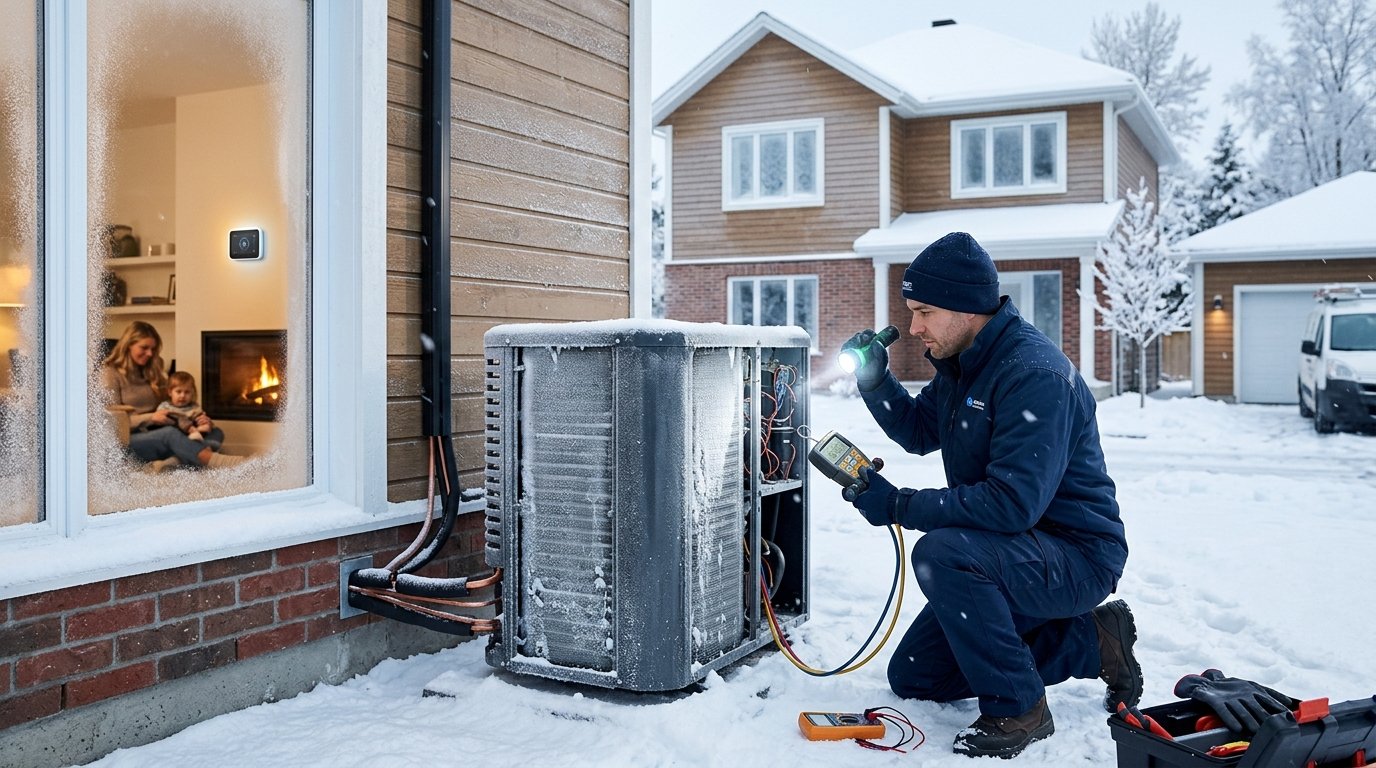
Homeowners may see EM Heat on a thermostat during severe cold or after a heat-pump problem. They should know how it differs from normal heat-pump and auxiliary-heat operation, since emergency mode commonly uses more energy and costs more to run.
The right thermostat setting depends on outdoor conditions, system performance, and warning signs such as cool air or a non-operating outdoor unit. Proper maintenance and timely professional service help keep the primary heat pump operating efficiently.
Heat Pump Heating Modes
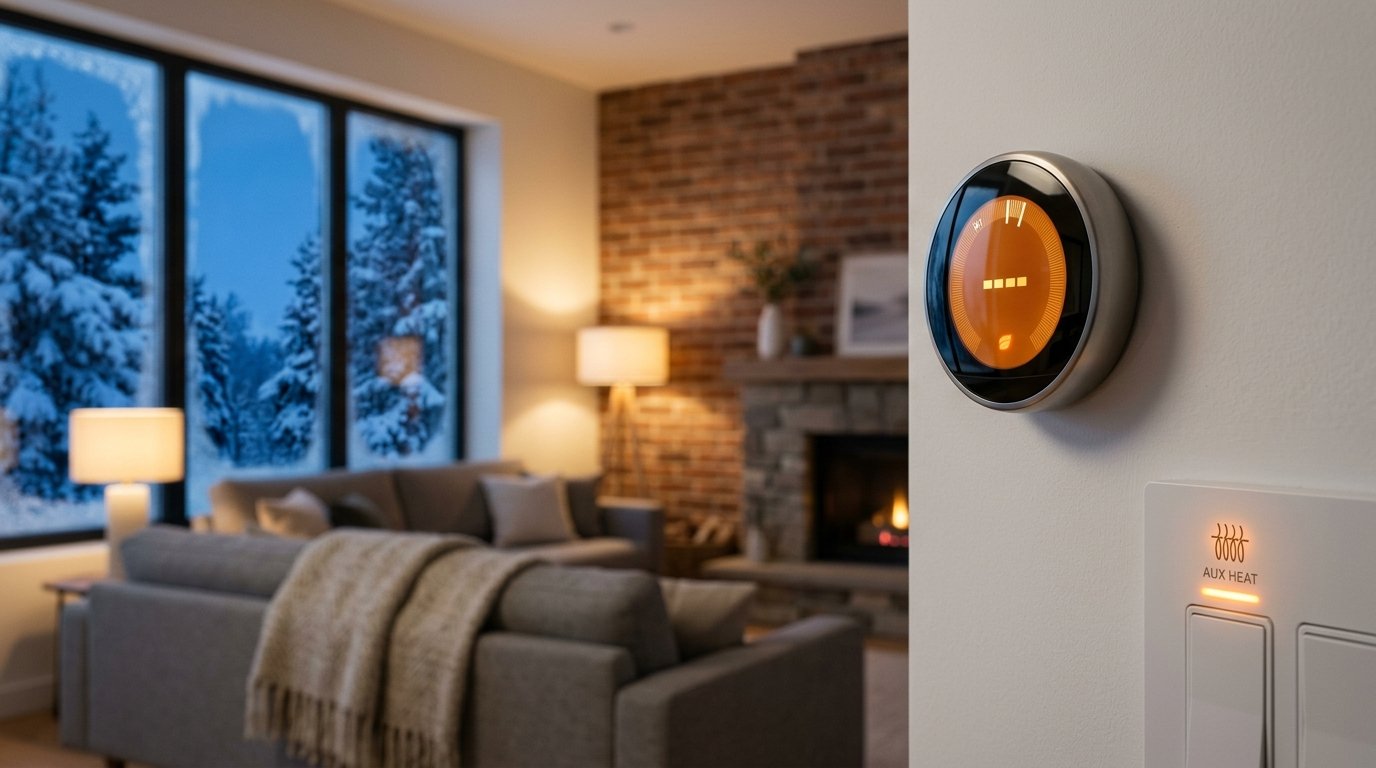
A heat pump normally moves heat from outdoor air into the home, then adds backup heat only when conditions require it. Emergency Heat bypasses the heat pump and relies on the backup system alone.
Normal Heating Operation
In Heat mode, the outdoor unit extracts available heat from outside air and transfers it indoors through the refrigerant system. The indoor air handler or furnace then distributes that heat through the ductwork.
This is the system’s primary and usually lowest-cost heating mode. It can operate in cold weather, though its heating capacity and efficiency decline as outdoor temperatures fall.
The thermostat controls compressor operation to maintain the selected indoor temperature. A homeowner should normally leave the thermostat on Heat, rather than switching to EM Heat because the system runs for an extended period or the air from vents feels less hot than furnace air.
Heat-pump supply air commonly feels warm rather than intensely hot. The system may run longer during cold weather because it delivers steady, lower-temperature heat efficiently.
Auxiliary Heat Support
Auxiliary heat supplements the heat pump automatically when the primary system cannot raise or maintain the indoor temperature quickly enough. Most all-electric systems use electric resistance heat strips; dual-fuel systems may use a gas, propane, or oil furnace as the backup heat source.
A thermostat may activate AUX heat when:
- The indoor temperature is several degrees below the setpoint
- Outdoor temperatures reduce heat-pump capacity
- The heat pump enters a defrost cycle
- A programmed temperature increase calls for faster recovery
The thermostat often displays AUX, Aux Heat, or a similar label while the backup stage operates. This does not necessarily indicate a problem.
Electric heat strips use substantially more electricity than heat-pump operation. Smaller thermostat adjustments, often one or two degrees at a time, can reduce unnecessary auxiliary-heat runtime. Auxiliary heat and emergency heat serve different functions: AUX works with the heat pump, while EM Heat replaces it.
Emergency Heat Override
Emergency Heat, often labeled EM Heat, manually turns off the heat pump compressor and operates the backup heating system by itself. It exists for situations where the outdoor heat-pump equipment cannot operate safely or has failed.
A homeowner may use this mode when a qualified technician directs it, or when the outdoor unit has a confirmed issue such as mechanical damage, a refrigerant-system fault, or persistent ice that prevents normal operation. They should arrange service promptly rather than treating EM Heat as a seasonal setting.
Emergency Heat can maintain indoor comfort, but it generally costs more to operate. On an electric system, heat strips provide all heating demand; on a dual-fuel system, the furnace may provide it.
A brief defrost cycle, frost on the outdoor coil, or long normal run times do not automatically require EM Heat. If the system blows cool air continuously, trips breakers, makes unusual noises, or fails to heat in normal mode, they should use backup heat if needed and contact an HVAC professional.
How Emergency Heat Works
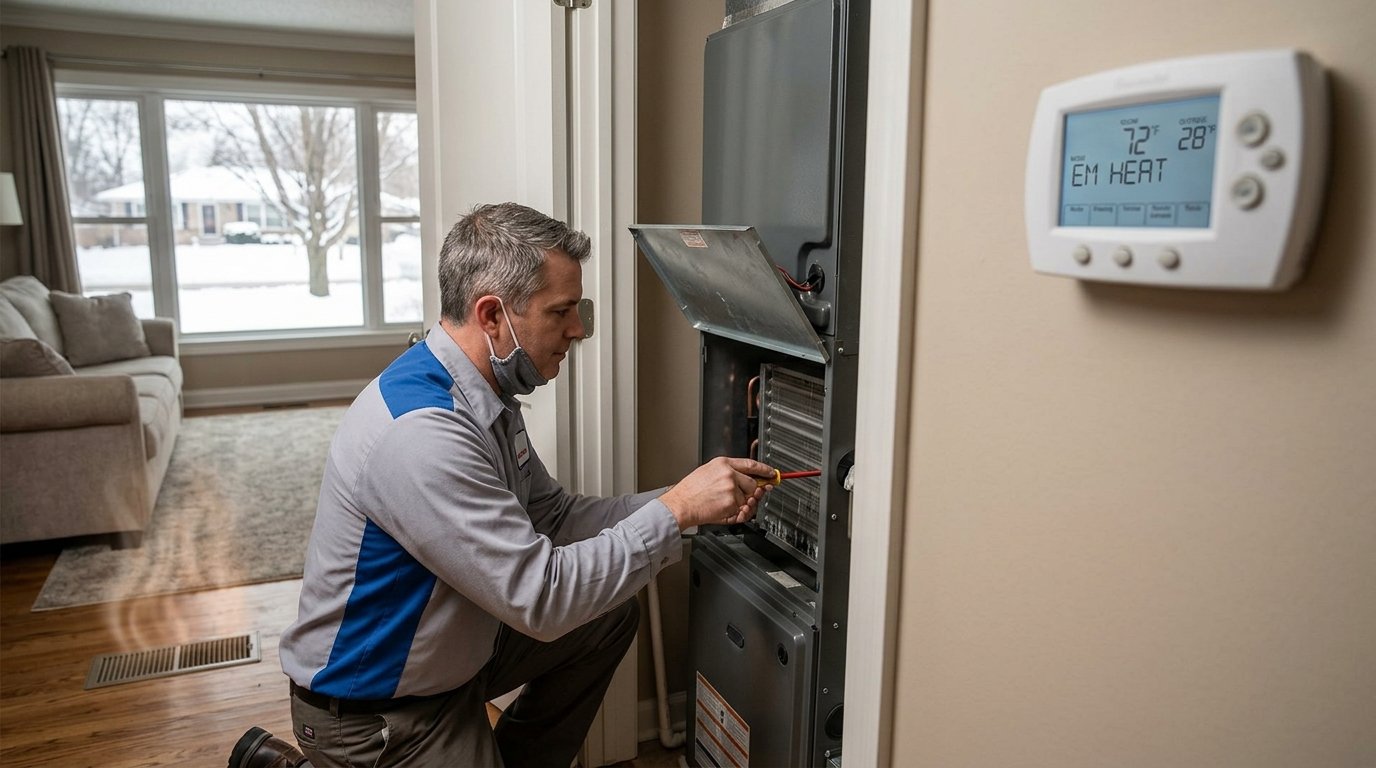
Emergency Heat bypasses the heat pump’s outdoor refrigeration cycle and runs a separate backup heat source. It keeps the home heated when the outdoor unit cannot operate or requires service, but it often costs more to run.
Backup Heat Sources
Most all-electric heat pumps use electric resistance heat strips in the indoor air handler as emergency heat. Electric current heats metal elements, and the blower moves the warmed air through the ductwork.
Some dual-fuel systems use a gas, propane, or oil furnace as the backup source. Other systems may use a boiler or hydronic coil. The thermostat’s configuration determines which equipment operates in Emergency Heat mode.
| Heat source | How it produces heat | Typical operating cost |
|---|---|---|
| Electric heat strips | Electricity heats resistance elements | Usually higher than normal heat-pump heating |
| Gas or oil furnace | Fuel combustion heats air or water | Depends on local fuel prices and equipment efficiency |
| Hydronic backup | Boiler-heated water warms an indoor coil | Depends on boiler fuel and system design |
Unlike normal heat-pump operation, the system does not extract heat from outdoor air. This is why emergency heat uses the backup system instead of the heat pump’s refrigerant cycle.
Thermostat Controls
A thermostat may show EM Heat, Emergency Heat, or a similar label. When a homeowner selects this setting, the thermostat locks out the outdoor heat-pump unit and calls only for backup heat.
This setting differs from auxiliary heat. Auxiliary heat can turn on automatically during a normal heating cycle when outdoor temperatures are low or when indoor temperature needs to rise quickly. Emergency Heat is normally a manual selection intended for a malfunctioning outdoor unit, damage, or a service-related shutdown.
A homeowner should switch to Emergency Heat when the heat pump has failed and a qualified technician has confirmed that normal heating should not run. They should not select it simply because the system runs longer during cold weather; EM Heat is intended as a temporary backup mode.
Indoor Unit Operation
After Emergency Heat is selected, the indoor unit receives the heating call. The air handler or furnace starts its blower, while electric strips, a furnace burner, or a hydronic coil supplies the heat.
The outdoor condenser should remain off in a correctly configured system. This prevents the heat pump compressor from operating while the backup equipment handles indoor heating.
Electric-strip systems may deliver air that feels hotter at supply vents than heat-pump air, but the system can consume substantially more electricity. Homeowners should keep the thermostat at a stable setting, replace restricted air filters, and arrange repair promptly rather than relying on emergency operation for extended periods.
When To Use Emergency Heat
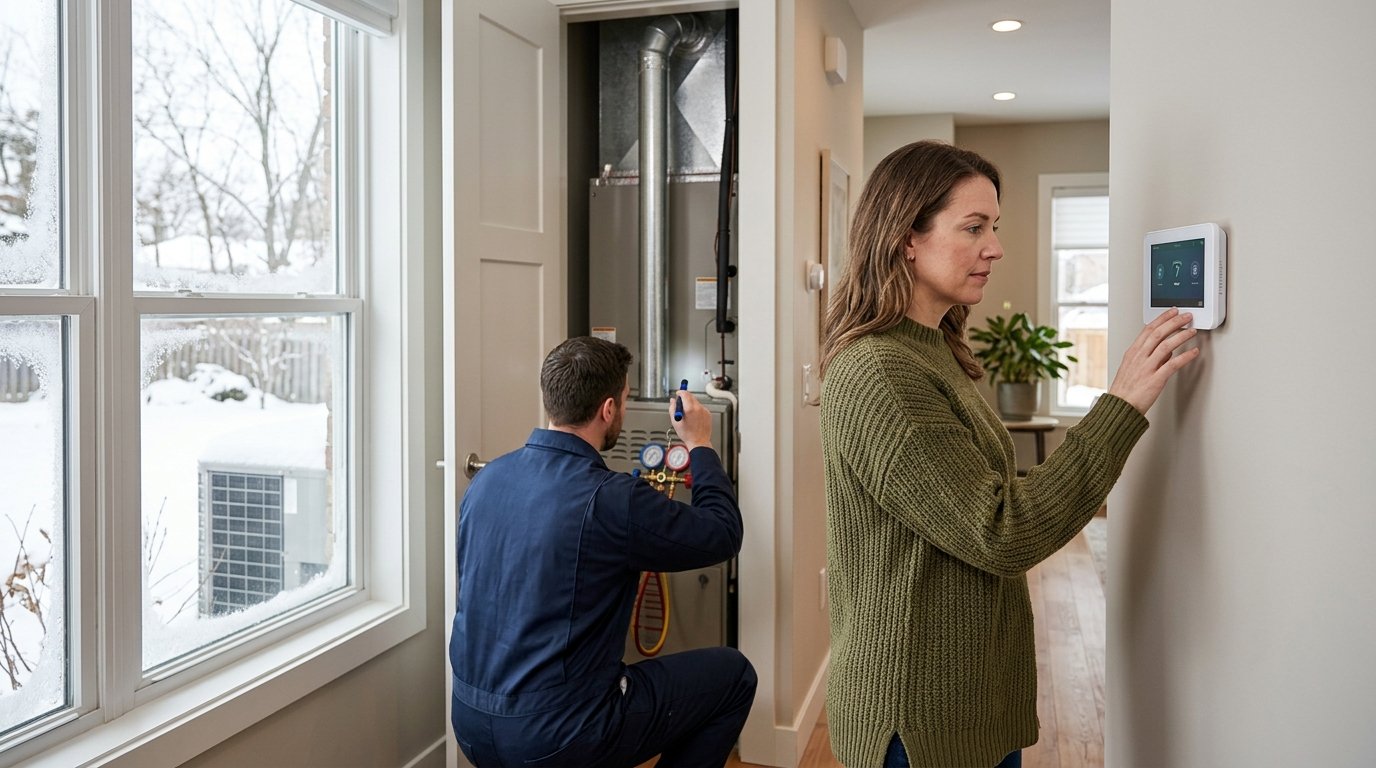
Emergency heat should run when the outdoor heat pump cannot operate reliably or has failed. It bypasses the heat pump and uses the system’s backup heat, which usually costs more to operate.
Heat Pump Failure
A homeowner should select Emergency Heat when the outdoor heat-pump unit has stopped working, has sustained damage, or cannot run safely. Common warning signs include no fan or compressor operation, unusual grinding or electrical smells, repeated breaker trips, or a unit encased in ice that does not clear.
Emergency Heat disables the outdoor heat pump and relies on the backup heat source, such as electric resistance strips, a furnace, or a boiler coil. It provides temporary indoor heat while an HVAC technician diagnoses the primary equipment. Emergency heat functions as a heat-pump backup mode.
It should not replace a repair. If the backup heat cannot maintain a safe indoor temperature, occupants should protect plumbing from freezing and seek professional service promptly.
Severe Weather Conditions
Very low outdoor temperatures can reduce a heat pump’s heating capacity, but that alone does not always require Emergency Heat. In normal Heat mode, the thermostat can automatically activate auxiliary heat when the heat pump needs temporary support.
Emergency Heat becomes appropriate during severe weather when the heat pump cannot run or when a technician has instructed the homeowner to keep it off. For example, damage from falling ice, a failed outdoor fan, or persistent mechanical faults may make continued operation unsafe.
Backup heat may be electric, gas, oil, or hydronic, depending on the system. Electric resistance backup heat commonly uses substantially more electricity than heat-pump operation, so it should remain a temporary setting. Auxiliary heat and emergency heat serve different purposes.
Defrost Cycle Considerations
A heat pump can develop a light coating of frost during cold, damp weather. This is normal. The system periodically enters a defrost cycle, briefly reversing operation to melt frost from the outdoor coil; auxiliary heat may run indoors during that process.
A homeowner should not turn on Emergency Heat merely because steam rises from the outdoor unit, the fan pauses, or the thermostat shows auxiliary heat during defrost. Those conditions often indicate normal operation rather than equipment failure.
Emergency Heat may be necessary if thick ice remains after repeated defrost cycles, the outdoor unit fails to restart, or it makes abnormal noises. The homeowner should switch to Emergency Heat only if needed for safe indoor heating, then arrange service. Emergency heat is intended for heat-pump malfunction or inability to keep up.
Energy Use And Operating Costs
Emergency heat usually costs more because it bypasses the heat pump’s efficient compressor operation. Actual cost depends on the backup heat type, outdoor temperature, equipment efficiency, and local electricity or fuel prices.
Electric Resistance Heat Costs
Most all-electric heat pumps use electric resistance heat strips for emergency heat. These strips convert electricity directly into heat, but they do not move heat from outdoors as a heat pump does.
A heat pump can often deliver more heat energy than the electricity it consumes, while resistance strips generally deliver one unit of heat per unit of electricity. This difference makes emergency heat more expensive than normal heat-pump operation in most conditions.
The cost rises with both strip size and runtime. A system with 10 kW of heat strips uses about 10 kilowatt-hours each hour while the strips run; the household’s electric rate determines the dollar cost.
| Operating factor | Effect on cost |
|---|---|
| Higher electric rate | Raises cost for every hour the strips operate |
| Larger heat-strip capacity | Increases hourly electricity use |
| Long cold periods | Extends runtime and monthly cost |
| Thermostat set far above room temperature | May trigger auxiliary heat more often |
Emergency mode normally locks out the outdoor compressor. It should not serve as a routine setting when the heat pump operates correctly.
Fuel-Based Backup Costs
Some systems use a gas, propane, or oil furnace as backup heat rather than electric strips. These dual-fuel systems switch from the heat pump to the furnace based on outdoor temperature, equipment settings, or a fault condition.
Fuel-based backup does not always cost more than the heat pump. A high-efficiency gas furnace may cost less to run when outdoor temperatures reduce the heat pump’s capacity or efficiency, while propane and oil costs can vary substantially by area and delivery price.
The thermostat’s emergency setting may force backup heat and disable the heat pump. Homeowners should follow the installer’s recommended changeover temperature rather than selecting emergency heat based solely on outdoor temperature. Emergency heat use and its cost depend on the backup system and local energy prices rather than on one fixed rule.
Reducing Unnecessary Runtime
They should leave the thermostat in normal Heat mode unless the outdoor unit has failed, is damaged, or a technician directs them to use emergency heat. Normal mode lets the system decide when it needs auxiliary heat to maintain indoor temperature.
Frequent emergency-heat use in mild weather can indicate a problem, such as a failed compressor, iced outdoor coil, blocked airflow, refrigerant issue, or incorrect thermostat configuration. A service technician should inspect persistent AUX or EM HEAT operation.
To limit avoidable backup heat use:
- Set a steady, practical indoor temperature instead of large setbacks and rapid recovery periods.
- Replace or clean air filters on schedule and keep supply and return vents open.
- Clear leaves, snow, and debris from around the outdoor unit without damaging it.
- Use a thermostat configured for the system’s correct heat-pump and backup-heat settings.
Emergency heat should generally be reserved for equipment failures or specific severe-weather needs rather than used as a faster everyday heating mode.
Thermostat Settings And Indicators
Thermostat displays distinguish between the heat pump’s normal operation, automatic backup heat, and manually selected emergency heat. The labels vary by manufacturer, but their function matters more than the exact wording.
EM Heat Labels
A thermostat may show EM Heat, Emer Heat, Emergency Heat, or simply E. These labels indicate a manual setting that takes the heat pump’s outdoor unit out of the heating sequence and uses the backup heat system instead.
The backup system may use electric resistance strips, a furnace, a boiler, or another installed heat source. Because electric heat strips commonly cost more to operate than a heat pump, emergency heat should not serve as the routine setting during ordinary cold weather.
Some thermostats display an “EM Heat” indicator only after a resident selects the mode. Others show the selected mode on the main screen and may also illuminate a separate light. Emergency heat settings on heat-pump thermostats generally exist only where the HVAC system has both a heat pump and a backup heating method.
Aux Heat Messages
Aux Heat, AUX, Auxiliary Heat, or Stage 2 Heat usually means the system has automatically activated backup heat while the heat pump still operates. This differs from EM Heat, which typically bypasses the heat pump.
Auxiliary heat can engage when outdoor temperatures are low, when the home temperature is several degrees below the set point, or during a heat pump defrost cycle. During defrost, the outdoor unit briefly reverses operation to remove ice, and backup heat helps prevent cool air from reaching the indoor space.
| Display | Typical meaning | Heat pump status |
|---|---|---|
| Heat | Normal heat-pump operation | Operating |
| Aux Heat | Automatic backup assistance | Usually operating |
| EM Heat | Manually selected backup-only heat | Bypassed |
A persistent Aux Heat message in mild weather may indicate an oversized temperature adjustment, thermostat configuration issue, or heat-pump problem. The difference between auxiliary and emergency heat helps residents avoid treating these indicators as interchangeable.
Manual Mode Selection
A resident should select EM Heat when the heat pump has failed, the outdoor unit has significant ice accumulation, or an HVAC technician directs its use. The thermostat’s mode menu commonly places it beside Heat, Cool, and Off.
After selecting EM Heat, the thermostat may display a confirmation such as “Emergency Heat On.” The outdoor unit should not run for normal heating, while the indoor backup equipment supplies heat.
They should return the thermostat to standard Heat mode after the underlying issue has been corrected. If EM Heat is the only way to keep the home warm, the system needs professional service rather than continued reliance on the backup setting.
Common Problems And Warning Signs
Emergency heat can keep a home warm when the outdoor unit cannot operate, but it often signals a system fault when it runs unexpectedly or for extended periods. A homeowner should check whether the heat pump operates, whether indoor temperature rises, and whether electricity use has changed sharply.
Heat Pump Not Running
When EM Heat is selected manually, the thermostat typically locks out the outdoor heat pump and uses the backup heat source instead. This is normal in emergency mode, but the system should not require that setting during ordinary cold weather.
If the thermostat calls for regular heat and the outdoor unit remains off, common causes include a tripped breaker, a failed contactor, a defrost problem, heavy ice accumulation, or a thermostat setting issue. The homeowner should confirm that the thermostat is set to Heat, not Emergency Heat, before checking the electrical panel for a tripped HVAC breaker.
Do not chip ice from the outdoor coil or pour hot water on it. Thick ice, grinding sounds, repeated breaker trips, or an outdoor unit that will not restart after a power check requires HVAC service. Emergency heat is intended as a temporary backup mode, not a replacement for a functioning heat pump.
Insufficient Indoor Warmth
A heat pump may run for long periods in cold weather, but the home temperature should still approach the thermostat setting. If indoor temperature falls several degrees below the set point, warm air feels weak at the vents, or the system runs continuously without improvement, backup heat may not be operating correctly.
The homeowner should first check the air filter, supply vents, return grilles, and thermostat batteries where applicable. A severely clogged filter or blocked return can restrict airflow and cause the equipment to overheat or shut down.
If EM Heat runs but produces cool air, an electric heat strip, relay, fuse, gas burner, or hot-water backup component may have failed. They should avoid repeatedly changing the thermostat setting; rapid adjustments do not make the equipment heat faster. Auxiliary and emergency heat behavior can help identify a heat-pump problem when the system cannot maintain temperature.
Unusual Utility Bills
Emergency heat often costs more to operate because it may rely on electric resistance heating rather than moving heat from outdoor air. A higher bill during a brief freeze can be expected, especially if auxiliary heat assisted the heat pump.
A sustained increase deserves attention when EM Heat was selected for days, the thermostat indicates auxiliary heat frequently in mild weather, or the home uses more electricity without reaching the set temperature. The homeowner can compare the billing period with the same month in a prior year while accounting for outdoor temperatures and changes in occupancy.
They should check for an EM Heat indicator on the thermostat and review whether the outdoor unit runs during a normal heating call. Frequent emergency-heat operation, repeated cycling, or a sudden bill increase paired with poor heating warrants a professional inspection.
Maintenance And Professional Service
Regular inspections, clean airflow, and prompt repairs help a heat pump operate efficiently and reduce unnecessary use of EM Heat. Backup heat should remain available for equipment failures and severe conditions, not become the system’s normal heating mode.
Seasonal System Inspections
A qualified HVAC technician should inspect a heat-pump system before each heating season. The visit should include checking refrigerant performance, electrical connections, defrost controls, thermostat operation, condensate drainage, and the auxiliary or emergency heating equipment.
The technician should also inspect the outdoor unit for damaged coil fins, debris, ice-related damage, and adequate clearance. Leaves, snow, and stored items can restrict airflow and cause the heat pump to lose capacity.
Homeowners should test the thermostat’s heating operation before sustained cold weather arrives. If the system frequently switches to auxiliary heat during mild weather, a technician should evaluate it rather than treating that behavior as normal. Regular heat-pump maintenance and emergency-heat guidance can help identify issues before a heating failure occurs.
Air Filter Care
A clogged return-air filter limits airflow across the indoor coil and can reduce heating performance. The system may run longer, struggle to reach the set temperature, and rely more heavily on auxiliary heat.
They should inspect disposable filters monthly during periods of frequent heating or cooling. Most standard filters require replacement every one to three months, but the correct interval depends on the filter type, household occupancy, pets, dust levels, and system run time.
Filter-care steps include:
- Match the replacement filter’s size and airflow rating to the equipment requirements.
- Install the filter with its airflow arrow pointing toward the air handler or furnace.
- Keep return grilles open and clear of furniture, rugs, and other obstructions.
- Clean reusable filters only if the manufacturer permits washing.
An overly restrictive high-efficiency filter can also create airflow problems if the system was not designed for it. An HVAC technician can recommend an appropriate filter rating.
When To Call An HVAC Technician
They should arrange service when EM Heat remains necessary in ordinary winter temperatures, when the outdoor unit does not run in regular heat mode, or when indoor temperatures fall despite continuous operation. Emergency heat deliberately bypasses the heat pump and may use electric resistance elements, which generally cost more to operate than normal heat-pump heating.
Other warning signs include repeated circuit-breaker trips, burning odors that persist beyond initial seasonal use, loud mechanical noises, visible refrigerant-line ice, water around indoor equipment, or error messages on a communicating thermostat. A technician should also investigate short cycling, weak airflow, and uneven room temperatures.
If the heat pump fails during freezing weather, they can use emergency heat temporarily while arranging repair. The proper use of emergency heat during a heat-pump malfunction helps maintain indoor safety, but it does not correct the underlying fault.
Frequently Asked Questions
Emergency heat bypasses a heat pump’s outdoor unit and uses a backup heat source, usually electric resistance strips or a furnace. It can maintain indoor temperature during equipment failure, but it commonly uses more energy than normal heat-pump operation.
What is the difference between regular heat and emergency heat on a thermostat?
Regular Heat lets the heat pump operate normally. When outdoor conditions require extra capacity, the thermostat may add auxiliary heat while the heat pump continues running.
Emergency Heat manually locks out the heat pump and runs only the backup heater. Emergency heat is intended for a heat-pump failure or other equipment problem, not simply for a cold day.
When should emergency heat be used on a heat pump?
A homeowner should use Emergency Heat when the outdoor heat-pump unit has failed, is damaged, or cannot operate safely. Examples include unusual mechanical noise, a failed compressor, damage after a storm, or a technician’s instruction to stop using the heat pump.
They should not select it merely because temperatures fall below freezing. A properly operating heat pump can often run in cold weather and automatically call for auxiliary heat when needed.
Does emergency heat turn on automatically?
In most systems, Emergency Heat requires a person to select the EM Heat setting at the thermostat. It is different from Aux Heat, which many thermostats activate automatically when the heat pump cannot meet the temperature set point quickly enough.
Some controls may display alerts or manage backup heat during a fault, but the exact behavior depends on the thermostat and HVAC installation. The system manual or an HVAC technician can confirm how a specific system operates.
How much more does emergency heat cost to run?
The added cost depends on the backup fuel, local utility rates, home insulation, outdoor temperature, and runtime. Electric resistance backup heat often costs substantially more per unit of delivered heat than a heat pump because it does not move heat from outdoors.
A homeowner can estimate the added expense by multiplying the backup heater’s kilowatt rating by hours of use and the electricity price per kilowatt-hour. EM Heat can lead to higher electricity use when it runs for extended periods.
Is it safe to run emergency heat all night or continuously?
Emergency Heat can run overnight when it is necessary to prevent indoor temperatures from becoming unsafe, provided the equipment operates normally and the system receives proper maintenance. However, continuous operation can create high utility costs and may indicate that the heat pump needs service.
If the backup heater runs without warming the home, emits burning odors that do not quickly fade, trips breakers, or causes unusual sounds, they should turn it off and contact an HVAC professional.
What should I do if I accidentally turn on emergency heat?
They should return the thermostat setting from EM Heat to normal Heat. The heat pump may take several minutes to restart, depending on the thermostat’s built-in compressor-delay setting.
They should then confirm that the outdoor unit operates and that the thermostat no longer shows Emergency Heat. If the setting reappears or the outdoor unit does not run, an HVAC technician should inspect the system.