Cleaning Service AC: Coil Cleaning and Maintenance
An AC cleaning service removes dust, debris, and buildup from key system components to support reliable cooling and efficient airflow.
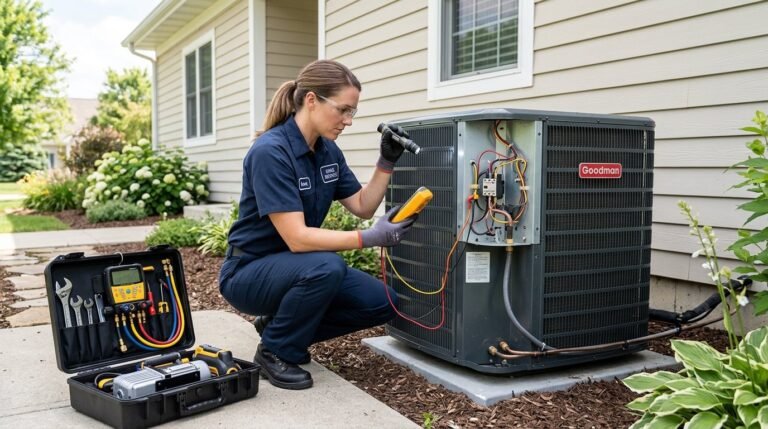
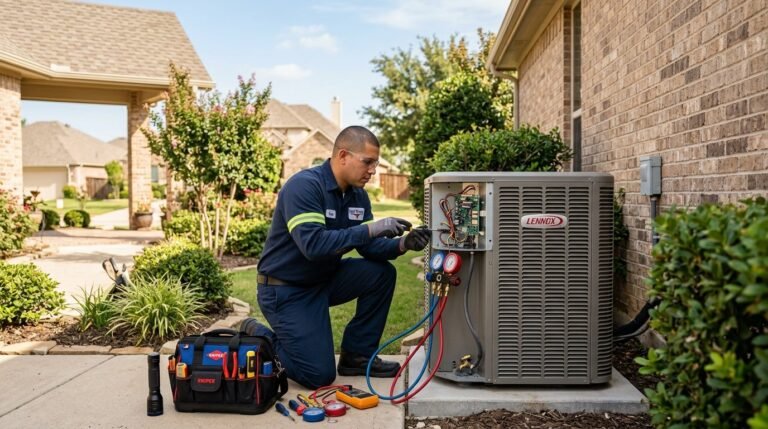
A qualified technician cleans accessible indoor and outdoor components, checks operating conditions, and identifies maintenance issues before they worsen.
When an air conditioner develops weak airflow, unusual odors, visible dirt, or reduced cooling, it may need professional attention.
Routine air conditioner service and maintenance can also include inspections of electrical parts, drainage, and refrigerant-related performance.
A homeowner can benefit by knowing what cleaning includes, when to schedule it, how to choose a qualified provider, and what care helps maintain the system after the visit.
What Air Conditioner Cleaning Involves
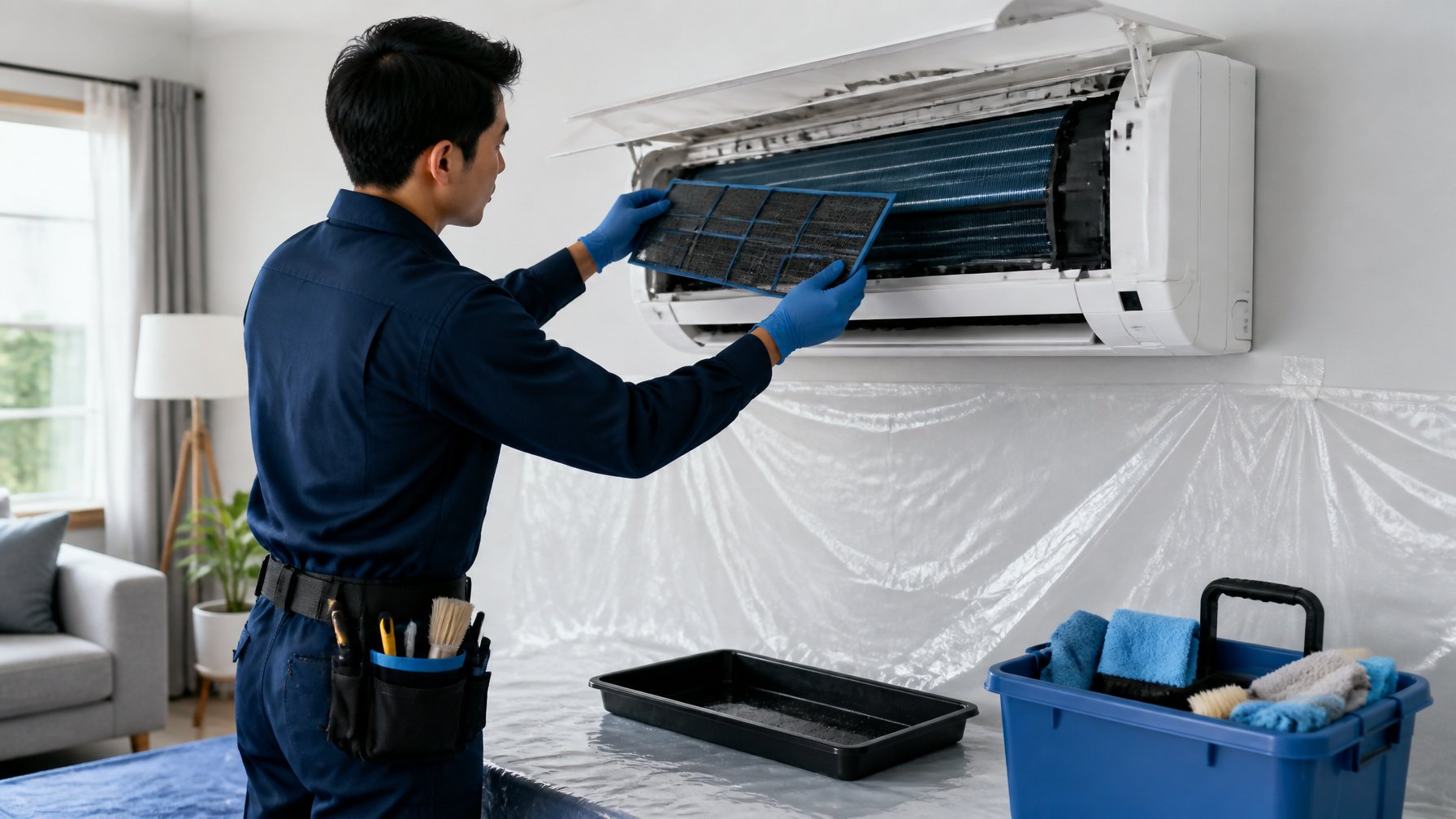
Air conditioner cleaning removes dust, biological buildup, and debris that restrict airflow or interfere with heat transfer.
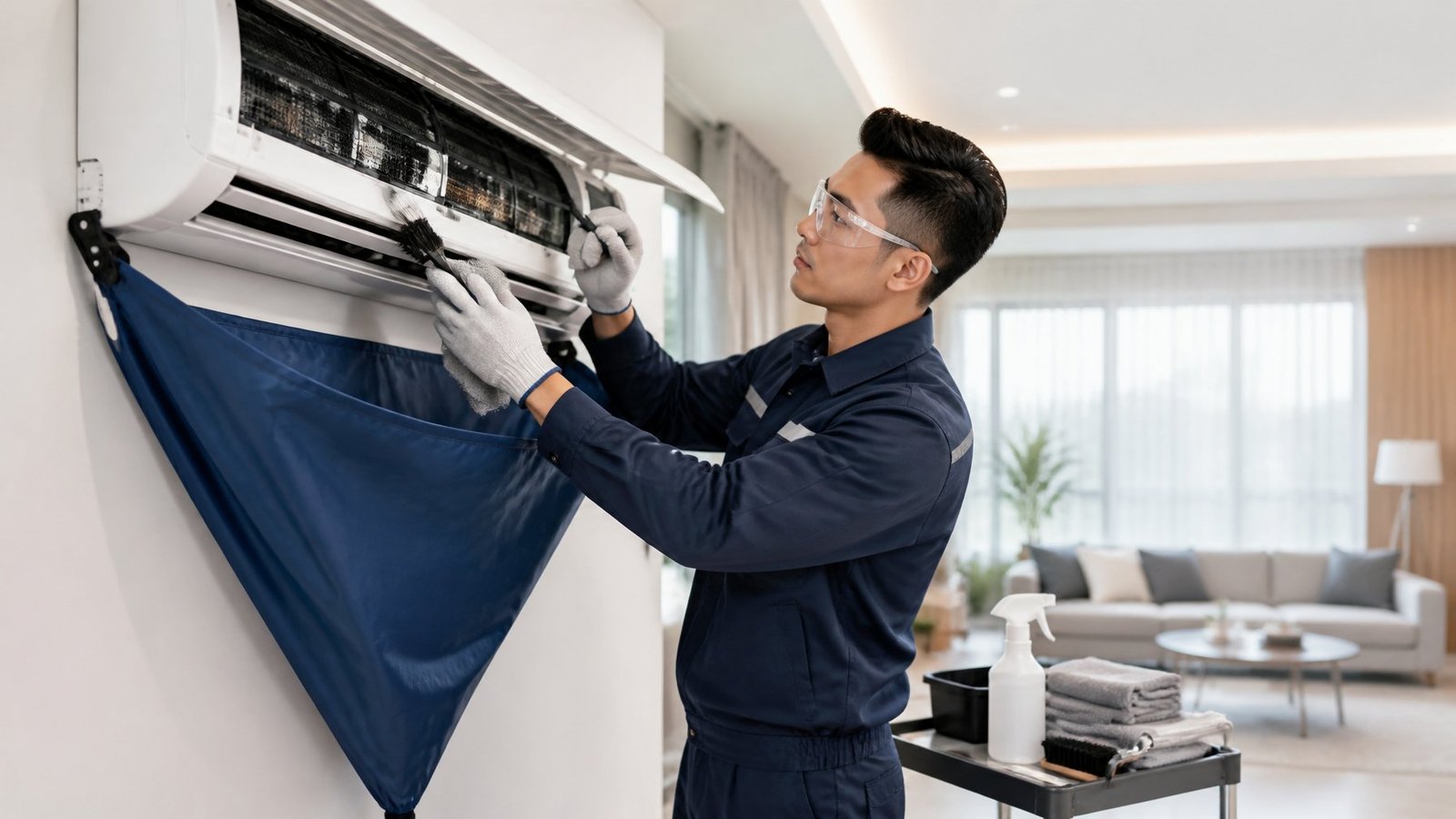
A cleaning service typically addresses the indoor air path, outdoor heat-exchange surfaces, drainage, and accessible electrical areas.
Indoor Unit Components
Technicians begin with the return-air filter, which captures airborne dust before it reaches the evaporator coil.
They clean reusable filters or recommend replacement when a disposable filter appears loaded, damaged, or incorrectly sized.
They inspect and clean the evaporator coil, blower wheel, and blower housing when accessible.
Dirt on these parts reduces airflow and can contribute to uneven cooling, musty odors, and higher operating strain.
A professional AC maintenance inspection also checks that the blower motor operates normally.
The technician clears the condensate pan and drain line.
A blocked drain can cause water leaks, indoor humidity issues, or a system shutdown through a float safety switch.
| Indoor component | Cleaning purpose |
|---|---|
| Air filter | Maintains airflow and reduces dust entering the system |
| Evaporator coil | Supports efficient heat absorption |
| Blower assembly | Prevents airflow restriction |
| Drain pan and line | Allows condensation to leave safely |
Outdoor Unit Components
The outdoor condenser releases heat collected from the building.
Cleaning normally includes removing leaves, grass clippings, soil, and loose debris from the cabinet and the surrounding area.
Technicians clean the condenser coil’s fins with methods suited to the coil’s condition.
They avoid bending the thin aluminum fins because damaged fins limit airflow across the coil.
They may straighten minor bent sections with a fin comb.
The service also includes checking the fan blade, fan guard, and base pan.
Technicians remove debris that could obstruct the fan or retain moisture around the unit.
They inspect the refrigerant line insulation for deterioration and confirm that the unit has enough clearance for air to enter and exit.
A standard air-conditioning maintenance service may also include electrical and refrigerant checks.
Cleaning alone does not correct leaks or failed components.
Common Cleaning Methods
Technicians use a vacuum, soft brush, microfiber cloth, or compressed air to remove loose dust from accessible indoor surfaces.
They protect nearby walls, flooring, and electrical controls before applying any liquid cleaner.
For evaporator and condenser coils, they may use a manufacturer-approved coil cleaner.
They apply it carefully to avoid electrical components, then rinse outdoor coils gently with low-pressure water when the equipment design permits it.
Drain cleaning often involves flushing the line and removing algae or sludge from the pan.
They should not use harsh chemicals that can damage plastic drain components or create harmful fumes indoors.
Cleaning does not include refrigerant “top-offs” by default.
If testing indicates low refrigerant, the technician should identify and repair the leak before adding refrigerant.
Regular AC service tasks also include checking connections, controls, and operating performance after cleaning.
Signs Your System Needs Attention
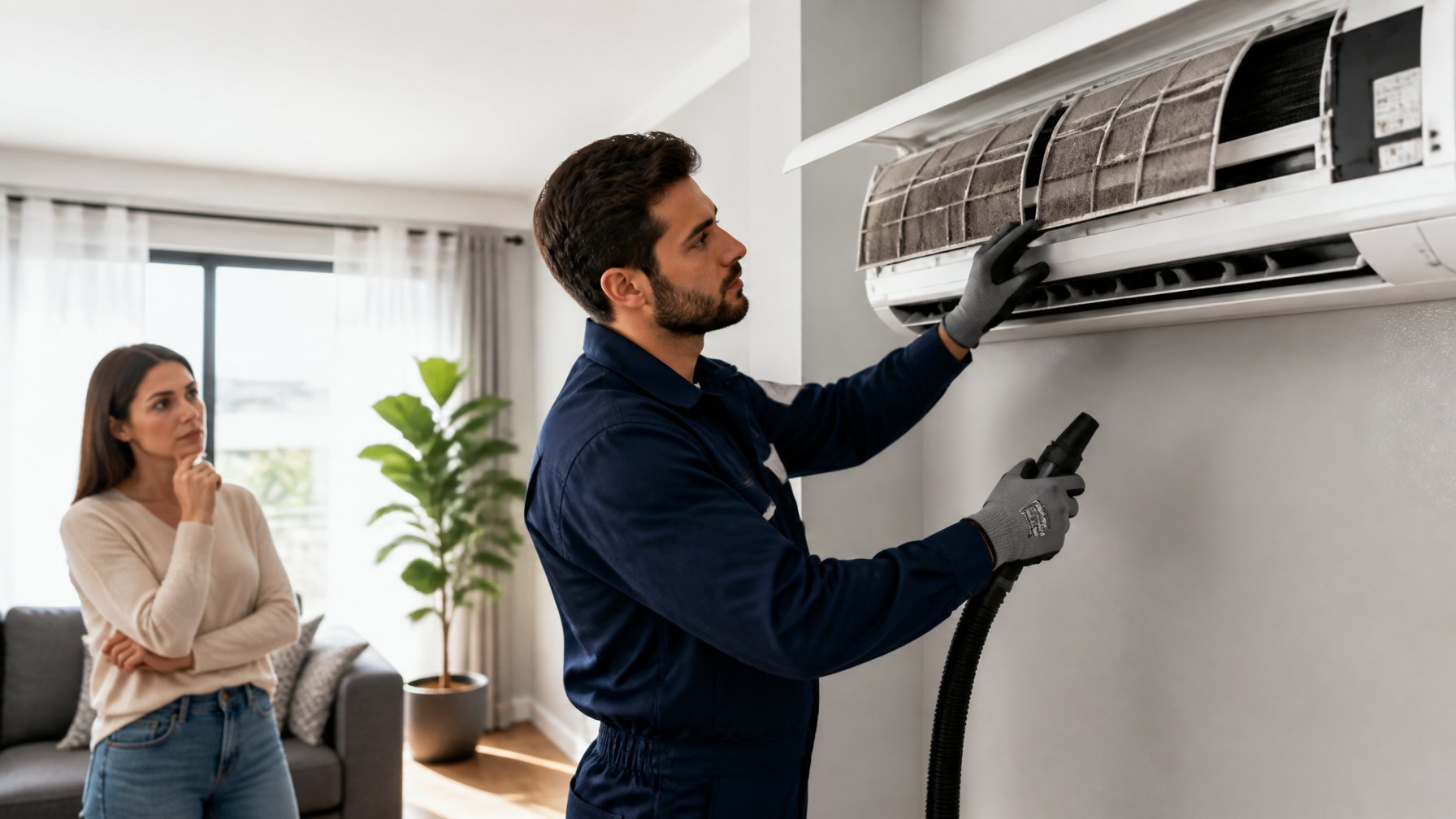
Changes in cooling output, odors, drainage, and operating sounds can indicate that an AC system needs cleaning, maintenance, or repair.
Prompt attention can limit strain on components and help the system maintain stable indoor comfort.
Reduced Cooling Performance
An AC system may need attention when it runs for long periods but rooms remain warm, humidity stays high, or some areas receive much less cool air than others.
A clogged air filter, dirty evaporator coil, blocked condensate components, or debris around the outdoor unit can restrict normal operation.
They should first check and replace the filter if it appears visibly loaded with dust.
They should also confirm that supply vents are open and that furniture, curtains, or rugs do not block return-air grilles.
Weak airflow, uneven temperatures, and higher electricity use are recognized signs an air conditioner needs servicing.
If basic checks do not restore performance, a qualified technician should inspect airflow, refrigerant components, coils, and electrical controls rather than continuing to run the system under strain.
Unusual Odors
A persistent musty odor when the AC starts can point to moisture and biological growth on the evaporator coil, drain pan, or inside the air handler.
Cleaning these areas and correcting drainage issues can remove the conditions that allow odors to return.
A burning, hot-plastic, or electrical smell requires a different response.
They should turn the system off and arrange professional service, because damaged wiring, an overheating motor, or a failing electrical component may cause these odors.
Odors should not be masked with sprays or fragrances.
Cleaning service should address the affected parts directly, including the coil, drain pan, condensate line, and accessible cabinet surfaces, while a technician evaluates any mechanical or electrical concern.
Water Leaks And Noise
Water near an indoor unit often results from a clogged condensate drain line, a dirty drain pan, or inadequate drainage.
They should switch the system off if water approaches electrical components or damages nearby ceilings, walls, or flooring.
A cleaning technician can clear an accessible drain blockage and clean the pan, but recurring leaks may require inspection of the condensate pump, drain slope, insulation, or coil condition.
Water leaks and unusual noises can signal needed AC maintenance, particularly when they occur with reduced cooling.
Noise also provides useful clues:
- Rattling may indicate loose panels, fasteners, or debris.
- Squealing can relate to a motor or belt issue in applicable equipment.
- Grinding, buzzing, or repeated clicking can indicate mechanical or electrical faults.
They should not ignore loud or worsening sounds.
A professional should inspect the unit before continued operation causes additional damage.
Benefits Of Regular Maintenance
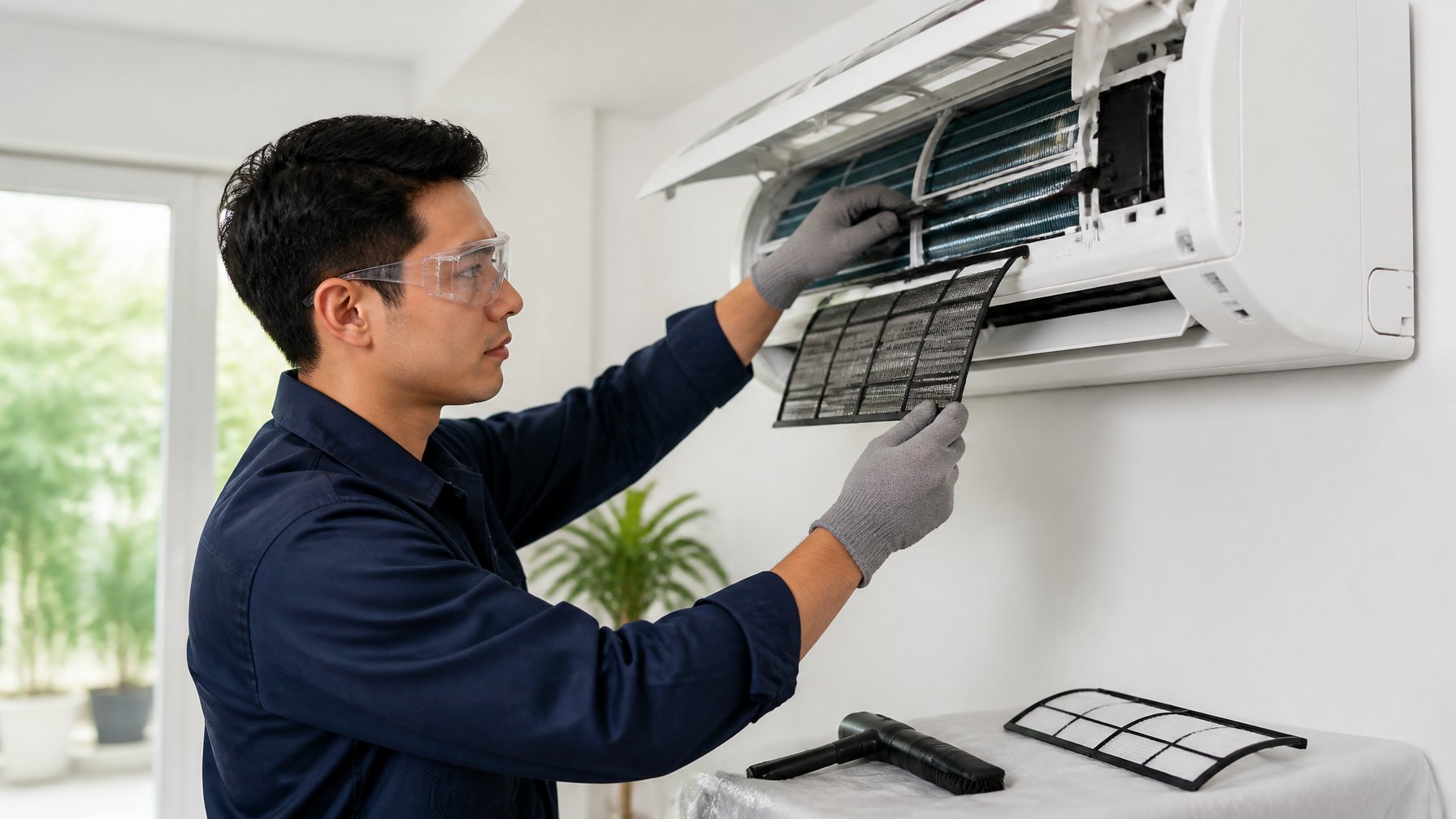
Regular AC cleaning and maintenance reduce energy waste, limit airborne contaminants, and help equipment operate reliably for longer.
A qualified technician can identify minor faults before they affect cooling performance or cause a shutdown.
Improved Energy Efficiency
Dust on the evaporator coil, a blocked filter, and debris around the outdoor condenser restrict airflow and heat transfer.
The system then runs longer to reach the thermostat setting, which increases electricity use and places extra demand on the compressor.
During a cleaning service, technicians typically clean accessible coils, replace or clean filters, clear condensate drains, inspect electrical connections, and check refrigerant-related performance.
These tasks support the energy-saving benefits of regular AC maintenance without changing the system itself.
Homeowners should replace disposable filters on the schedule recommended by the manufacturer, especially during heavy cooling periods.
A visibly dirty filter should not remain in service simply because it has not reached a calendar deadline.
Maintenance items that affect efficiency include:
- Clean return-air filters and supply vents
- Clear space around the outdoor condensing unit
- Clean indoor and outdoor coils
- Proper thermostat operation and electrical connections
Better Indoor Air Quality
The AC system circulates indoor air repeatedly, so dust, pollen, pet dander, and other particles can collect in filters and on internal surfaces.
A clean filter captures more airborne particles while allowing the blower to move air at the intended rate.
Moisture management also matters.
A clogged condensate drain or dirty evaporator coil can retain water, creating conditions that may contribute to microbial growth and musty odors.
Regular air conditioner cleaning and maintenance helps technicians inspect these areas and address drainage problems early.
Maintenance does not remove every indoor pollutant or replace ventilation needs.
However, it helps prevent the HVAC equipment from becoming an avoidable contributor to dust buildup, restricted airflow, and persistent odors.
For households with allergies, pets, or high dust levels, technicians may recommend a filter type that matches the system’s airflow capacity.
Using an overly restrictive filter can reduce airflow and undermine cooling performance.
Longer Equipment Lifespan
AC components experience less strain when airflow, drainage, electrical parts, and heat-transfer surfaces remain in working condition.
Dirty coils can force the compressor and fan motors to run for longer cycles, while neglected drains can lead to water damage near the indoor unit.
Scheduled service gives a technician time to find worn capacitors, loose wiring, abnormal motor noise, refrigerant concerns, or corrosion before they become larger repairs.
The preventive purpose of routine AC maintenance differs from an emergency repair because it focuses on condition checks rather than waiting for a failure.
Maintenance cannot guarantee that an older system will not break down.
It can, however, reduce avoidable wear and help owners plan for repairs when symptoms first appear.
Warning signs that warrant professional attention include weak airflow, short cycling, water near the air handler, unusual noises, ice on refrigerant lines, and inconsistent room temperatures.
Choosing A Qualified Provider
A qualified AC cleaning provider verifies its credentials, explains the work in writing, and gives a clear price before starting.
Homeowners should compare the proposed cleaning steps, customer feedback, and warranty terms rather than choosing solely by the lowest estimate.
Licensing And Experience
The provider should hold any state or local HVAC license required for the work performed.
Licensing rules vary by jurisdiction, so a homeowner can check the contractor’s license status through the relevant state or municipal authority before booking.
Technicians who handle refrigerant must have the appropriate EPA certification.
Cleaning that involves only filters, accessible coils, drain lines, or indoor-unit surfaces may not require refrigerant handling, but the company should not open a sealed refrigerant circuit without qualified personnel.
Experience should match the equipment type.
A contractor who regularly services split systems, packaged units, ductless mini-splits, or commercial rooftop equipment will better understand access limits and manufacturer cleaning requirements.
For duct-related work, homeowners can look for NADCA training and certification standards.
The EPA also advises consumers to evaluate duct-cleaning providers carefully and avoid unsupported health claims when considering residential air-duct cleaning.
Service Scope And Pricing
A written estimate should identify each task, such as cleaning or replacing filters, washing accessible evaporator or condenser coils, clearing the condensate drain, inspecting the blower compartment, and checking system operation afterward.
It should also state what the technician cannot access without disassembly or manufacturer-approved procedures.
Providers should separate routine maintenance from repairs.
For example, coil cleaning may be included in a service visit, while replacing a corroded drain pan, damaged insulation, capacitor, or motor requires a separate authorized repair.
| Estimate item | Details to request |
|---|---|
| Labor | Hourly rate or fixed service price |
| Cleaning method | Products, water use, and protection for nearby surfaces |
| Parts | Itemized cost and approval requirement |
| Additional charges | Travel, emergency, access, or disposal fees |
A reliable company explains whether its price covers one indoor unit, one outdoor unit, or the complete system.
It should obtain approval before performing work outside the estimate.
Reviews And Guarantees
Reviews can reveal patterns in scheduling, cleanliness, price changes, and whether technicians explained findings clearly.
Homeowners should read recent reviews across more than one platform and give greater weight to detailed accounts than to star ratings alone.
Local service directories can help compare customer experiences, including Angi’s home-service professional listings.
They should still verify licensing and insurance directly, because a directory profile does not replace independent checks.
The provider should state its workmanship guarantee in writing.
Useful terms specify the covered work, the claim period, exclusions, and whether the company will return to correct a cleaning-related issue without another labor charge.
A guarantee does not mean the company can promise lower utility bills, eliminate allergens, or prevent every future breakdown.
It should cover the quality of the completed cleaning and any agreed inspection or maintenance tasks.
Preparing For A Technician Visit
The resident should provide clear access, describe the AC problem accurately, and protect items near the work area.
These steps help the technician inspect, clean, and test the system without unnecessary delays.
Providing Access To Equipment
The resident should clear a path to the indoor air handler, thermostat, electrical panel, and outdoor condenser before the appointment. They should move boxes, furniture, laundry, and stored items at least 3 feet from indoor equipment where practical.
They should also unlock gates, remove pet waste near the condenser, and trim back loose vegetation that blocks the unit. A technician needs room to remove panels, inspect wiring, clean coils, and check drainage connections safely.
If the system sits in an attic, crawlspace, or locked utility room, the resident should ensure the access point is available and adequately lit. Clearing indoor and outdoor AC equipment can help the visit proceed more efficiently.
Sharing System Issues
The resident should tell the technician exactly what the system has done, including when the issue started and how often it occurs. Useful details include weak airflow, warm air from vents, unusual odors, water near the unit, ice on refrigerant lines, cycling on and off, or higher energy use.
They should note which rooms feel affected and whether the thermostat display shows an error code. If the problem occurs only during very hot weather, after rain, or at a certain time of day, that timing can help narrow the inspection.
The resident should avoid resetting breakers or repeatedly changing thermostat settings immediately before the visit unless safety requires it. They should gather prior service invoices, warranty information, and records of recent filter changes.
Protecting Nearby Belongings
The resident should remove fragile items, electronics, rugs, and valuables from the area beneath or beside the indoor unit. This matters especially for attic-mounted systems, wall units, and air handlers located above finished ceilings.
They can place a washable cover over nearby furniture if moving it is not possible. The technician may use cleaning equipment, access panels, and drain-line tools, so clear floor space reduces the risk of contact with belongings.
The resident should keep children and pets away from the work area while the technician tests the system. They should also mention any water-damaged ceiling, loose flooring, or unstable attic access before work begins.
Recommended Service Frequency
Most residential systems need professional cleaning and maintenance once a year, while commercial systems often need more frequent visits. Usage hours, equipment age, indoor air quality, and operating conditions determine the right schedule.
Residential Scheduling
A homeowner should schedule one professional AC cleaning service each year, ideally in spring before sustained cooling demand begins. A visit commonly includes cleaning accessible coils and drain components, checking electrical connections, inspecting refrigerant-related performance, and testing operation.
Homes in hot climates that run cooling equipment for much of the year may benefit from two visits: one before summer and one after the heavy-use season. This approach can identify wear, drain blockage, and airflow problems before they affect cooling.
Between appointments, the homeowner should inspect the filter monthly and replace or clean it according to the manufacturer’s instructions. A yearly AC maintenance schedule also helps support efficient operation and may be required to maintain certain warranty terms.
Commercial Scheduling
Commercial AC systems commonly require service at least twice a year, with inspections before the cooling season and before heating season for shared HVAC equipment. Restaurants, medical facilities, retail stores, and properties with high occupancy may need quarterly cleaning because filters, coils, and drains collect more contaminants.
A facility manager should set the schedule around operating hours, occupancy, and the unit’s location. Rooftop equipment near loading docks, construction activity, grease exhaust, or heavy vehicle traffic may require more frequent coil cleaning than equipment in a clean office setting.
Maintenance records should document filter changes, coil cleaning, drain service, belt condition where applicable, electrical checks, and operating readings. A structured HVAC service frequency plan helps businesses plan work around occupied hours and reduce unexpected shutdowns.
Factors That Affect Timing
Several conditions can shorten the interval between AC cleaning visits:
- Heavy daily operation: Systems running many hours each day accumulate wear and debris faster.
- Dirty filters or weak airflow: Restricted airflow can increase strain on the blower and reduce cooling performance.
- Pets, smoke, dust, or nearby construction: These conditions can load filters and indoor components more quickly.
- Older equipment: Aging systems may need closer inspection for drainage, electrical, and mechanical issues.
- Coastal or polluted locations: Outdoor coils can collect salt residue, dirt, or pollutants that limit heat transfer.
They should arrange service promptly if the system produces weak airflow, unusual odors, water leaks, repeated cycling, rising energy use, or inconsistent room temperatures. Professional maintenance typically includes filter, coil, refrigerant, and electrical inspections that help identify these issues before they become larger repairs.
After-Service Care
Proper filter changes, drain checks, and timely follow-up service help the air conditioner maintain steady airflow and manage moisture safely. The homeowner should note changes in cooling performance, odors, noise, and water around the indoor unit.
Filter Replacement
The homeowner should inspect the return-air filter every 30 days during regular cooling use. A disposable filter usually needs replacement every 1–3 months, while a reusable filter needs cleaning and complete drying according to its manufacturer instructions.
A clogged filter restricts airflow, which can reduce cooling and place added strain on the system. It may also allow dust to collect more quickly on the evaporator coil after a cleaning appointment.
They should use the filter size and airflow rating specified for the system. Installing a very dense filter without confirming compatibility can reduce airflow in some residential systems.
| Filter condition | Recommended action |
|---|---|
| Visible dust across the surface | Replace or clean it |
| Bent frame, tears, or damp material | Replace it immediately |
| Musty smell after cleaning | Inspect the filter and drainage system |
| Filter looks clean but airflow is weak | Request an HVAC inspection |
Professional air conditioner maintenance services commonly include filter-related checks, but the filter still requires routine attention between visits.
Drainage Monitoring
The homeowner should check the area around the indoor air handler, furnace, or wall-mounted unit for moisture after the system runs for several hours. Condensate should move through the drain line without backing up into the drain pan or onto nearby surfaces.
They should watch for standing water, dripping, algae-like buildup, damp drywall, or a musty odor. These signs can indicate a partially blocked drain line, a damaged drain pan, or a condensate pump issue.
A technician may clear the drain line during service, but debris and biological growth can return over time. The homeowner should not pour harsh chemicals into the line unless the equipment manufacturer or HVAC professional recommends that method.
If the system has a condensate pump, they should confirm that it activates and discharges water during cooling operation. Regular maintenance typically includes cleaning components and checking drainage as part of a broader AC service visit.
When To Request Follow-Up Service
The homeowner should request follow-up service promptly if cooling weakens soon after cleaning, the system cycles on and off repeatedly, or ice forms on refrigerant lines or the indoor coil cabinet. These problems can involve airflow restrictions, electrical faults, refrigerant issues, or thermostat settings that cleaning alone does not correct.
They should also contact the service provider when water leaks continue after the drain line was cleaned. Persistent leakage can damage floors, ceilings, insulation, and electrical components.
Follow-up service is appropriate when any of these conditions occur:
- Warm air blows while the thermostat calls for cooling.
- The unit makes new rattling, buzzing, grinding, or high-pitched sounds.
- Breakers trip, lights dim when the unit starts, or a burning smell appears.
- The system displays an error code or fails to start.
- Indoor humidity remains unusually high despite normal cooling.
The homeowner should provide the technician with the service date, model number, observed symptoms, and any photos of leaks or ice. Regular professional AC tune-ups can identify developing problems before they disrupt normal operation.
Frequently Asked Questions
Professional AC cleaning costs vary by system type, access, condition, and whether the visit includes maintenance or repairs. A qualified technician should inspect electrical parts, refrigerant-related components, airflow, and coil condition before recommending work.
How much does it cost to have someone clean an AC unit?
A basic outdoor condenser cleaning or maintenance visit often costs about $75 to $250. A more involved cleaning that includes indoor evaporator-coil access, drain-line clearing, blower cleaning, or heavy debris removal may cost $200 to $500 or more.
Pricing increases when the technician must remove panels, access a difficult attic air handler, treat biological growth, repair damaged fins, or correct drainage issues. Homeowners should ask whether the quoted price covers diagnostic work, cleaning materials, and any additional labor.
How often should an AC unit be professionally cleaned?
Most central air-conditioning systems benefit from professional inspection and cleaning once each year, ideally before the cooling season begins. Annual service commonly includes filter review, condenser cleaning, and checks of essential operating components.
Homes near construction, unpaved roads, cottonwood trees, or heavy pollen may need the outdoor unit cleaned more often. The recommended condenser-cleaning schedule can be twice yearly in high-debris conditions, with visible debris cleared between visits.
Is AC system cleaning worth it?
AC cleaning is worthwhile when dirt, leaves, clogged drains, or contaminated coils restrict airflow or heat transfer. Clean coils and unobstructed outdoor fins help the equipment operate with less strain than a system with heavy buildup.
It does not fix every cooling problem. Low refrigerant, a failing capacitor, damaged ducts, thermostat faults, or a worn compressor require diagnosis and repair rather than cleaning alone.
What is included in a professional AC cleaning service?
A professional visit commonly includes replacing or evaluating the air filter, removing debris around the outdoor unit, cleaning condenser fins, checking the condensate drain, and inspecting electrical connections. Many services also assess temperature split, airflow, thermostat operation, and signs of refrigerant leaks.
A technician may clean the evaporator coil and blower assembly when access and buildup warrant it. Typical AC service tasks include filter changes and condenser-fin cleaning, while deeper internal work may require a separate charge.
How can I find the best AC cleaning service near me?
Homeowners should compare licensed and insured HVAC companies that provide written estimates and clearly list the work included. They should verify local licensing requirements, recent independent reviews, warranty terms, and whether the company explains findings before performing additional repairs.
A reputable provider identifies whether the system needs routine maintenance, coil cleaning, drain service, or repairs. Basic exterior upkeep, such as clearing vegetation and gently rinsing outer fins, may be handled by a homeowner, but internal coil and component cleaning is generally safer for a trained technician.
What is the $5,000 rule for AC repair or replacement?
The $5,000 rule is an informal calculation: multiply the system’s age in years by the estimated repair cost.
If the result exceeds $5,000, replacement may deserve consideration instead of a major repair.
For example, a 12-year-old system with a $500 repair estimate produces $6,000.
Equipment condition, efficiency, refrigerant type, repair history, remaining warranty, and replacement cost should also affect the decision.