AC Tune-Up Service for Seasonal Maintenance
An AC tune-up helps keep a cooling system operating efficiently, safely, and reliably during warm weather. A professional service visit checks key components, identifies developing faults, and helps reduce the chance of unexpected cooling problems.
Homeowners can learn what technicians inspect, which warning signs warrant attention, and how often maintenance may be needed. The article also covers selecting a qualified HVAC provider, preparing for a visit, and simple steps that support system performance between appointments.
What A Professional Visit Includes
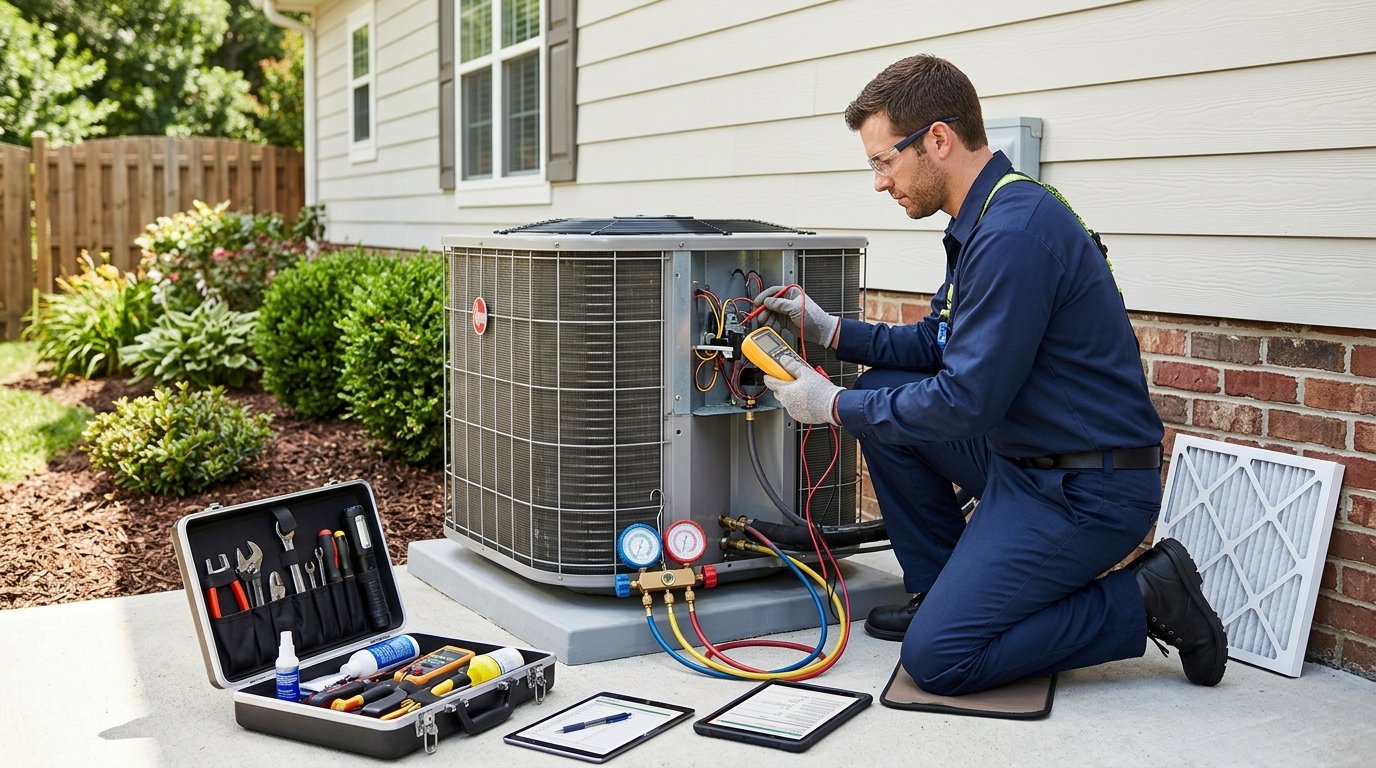
A professional AC tune-up combines a detailed equipment inspection, targeted cleaning, and operating tests. The technician documents worn parts, airflow limits, electrical concerns, and any repairs that need separate approval.
System Inspection
The technician begins by identifying the system type, checking its service history, and reviewing reported comfort issues. They inspect the outdoor condenser, indoor air handler or furnace, thermostat, refrigerant lines, condensate drain, and accessible duct connections.
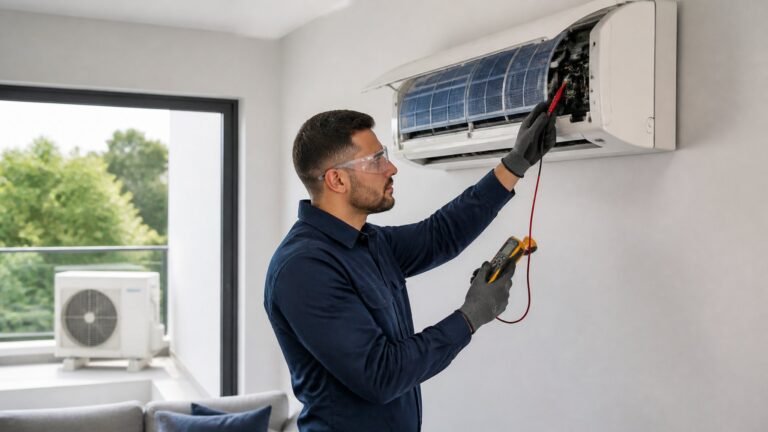
They examine electrical components such as disconnects, wiring, capacitors, contactors, relays, and terminals for corrosion, heat damage, loose connections, or abnormal wear. A weak capacitor or pitted contactor can prevent reliable starting, but replacement typically falls outside routine maintenance and requires authorization.
The inspection also covers the air filter, blower assembly, evaporator coil access, insulation on refrigerant lines, and outdoor-unit condition. A technician should note blocked coil fins, standing water, damaged panels, pest intrusion, and vegetation that restricts condenser airflow.
A professional AC tune-up checklist commonly includes thermostat verification and refrigerant-system checks. If pressures or temperatures suggest a refrigerant leak, the technician should diagnose the cause rather than simply add refrigerant.
Cleaning Key Components
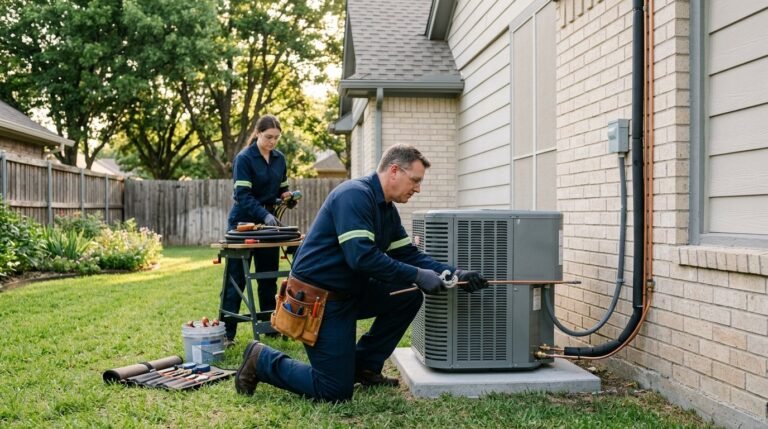
The technician removes leaves, dirt, and other debris from the outdoor unit and clears clearance around it so the condenser can reject heat effectively. They straighten minor bent fins when appropriate and clean the condenser coil with methods suitable for the equipment.
Inside, they inspect and clean the condensate pan and drain line to reduce the chance of water overflow. They also check the drain trap, float switch, and pump, if installed, because a blocked drain can stop cooling or cause water damage.
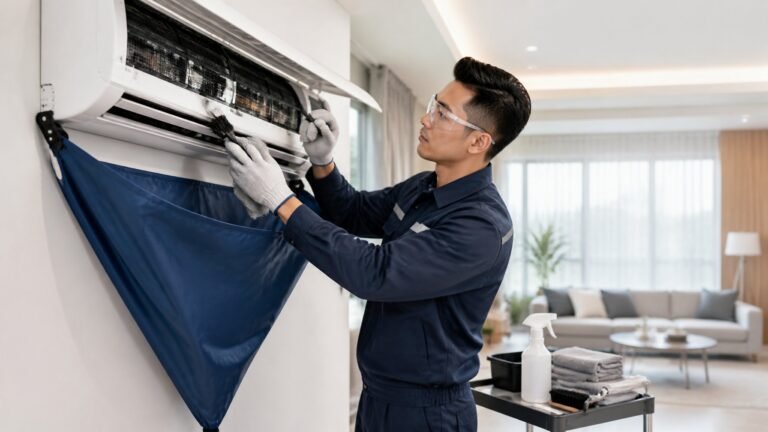
The service may include cleaning accessible blower components and replacing or recommending replacement of a dirty filter. A heavily soiled evaporator coil often needs more involved cleaning, especially when access is limited; technicians should explain the scope before performing that work.
The components covered in AC maintenance vary by system design and service plan. Technicians should avoid spraying electrical parts, damaging coil fins, or using cleaning chemicals that do not match the manufacturer’s guidance.
Performance Testing
After inspection and cleaning, the technician runs the system through a cooling cycle. They confirm that the thermostat calls for cooling, the indoor blower starts correctly, and the outdoor compressor and fan operate without unusual noise or repeated cycling.
They measure supply and return air temperatures, airflow indicators, voltage, amperage, and key refrigerant readings when conditions allow accurate testing. These measurements help identify restricted airflow, electrical strain, compressor problems, or conditions that need further diagnosis.
The technician also verifies that condensate drains while the unit runs and checks for water around the indoor equipment. They listen for blower vibration, rattling panels, and bearing noise, then secure accessible loose hardware where appropriate.
A tune-up is preventive service rather than a repair visit. When testing identifies a failed component, refrigerant leak, or motor issue, separate repair authorization is normally required before parts are installed.
Signs Your Cooling System Needs Attention
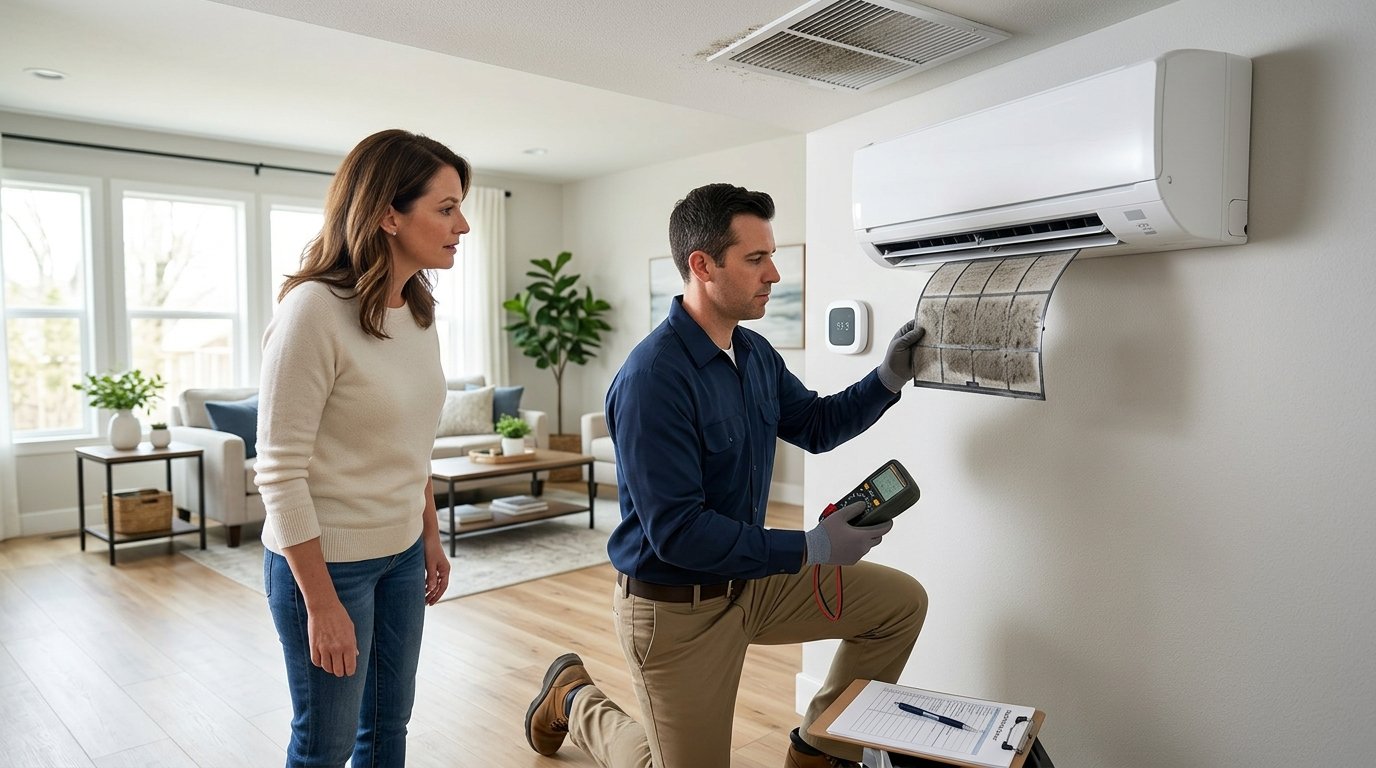
Weak airflow, inconsistent room temperatures, and new noises or odors often indicate that the system needs maintenance or repair. Addressing these changes early can protect comfort, efficiency, and equipment components.
Weak Airflow
Air should move steadily from supply vents while the system runs. If airflow feels noticeably lighter than usual, rooms may cool slowly, or certain vents produce little air, the system needs inspection.
A clogged air filter commonly restricts circulation, so homeowners should check the filter first and replace it if it is visibly dirty or has reached its recommended replacement interval. Closed or blocked supply vents, crushed ductwork, and a dirty indoor evaporator coil can also limit airflow.
The blower motor, capacitor, or fan settings may require professional service. A technician can inspect these components, clean accessible coils, verify airflow, and check refrigerant performance during an AC tune-up.
Do not continue operating the system without service if weak airflow occurs with ice on the refrigerant line, water near the indoor unit, or frequent system shutdowns. These conditions can point to a frozen coil, drainage issue, or mechanical problem.
Uneven Temperatures
A cooling system should keep occupied rooms reasonably consistent when doors, windows, insulation, and thermostat settings are comparable. A room that stays warm while nearby rooms cool properly may have an airflow, duct, insulation, or zoning issue.
First, they should confirm that all registers are open and unobstructed by furniture, rugs, or curtains. They should also check whether the thermostat sits near direct sunlight, a kitchen, or another heat source that can cause inaccurate readings.
If temperature differences persist, a technician should evaluate duct leaks, disconnected ducts, refrigerant charge, and system capacity. Rising utility bills combined with uneven cooling can also signal declining performance; signs that an AC needs repair include poor cooling and reduced efficiency.
Older systems may struggle during very high outdoor temperatures, but repeated hot spots should not be dismissed as normal. Targeted maintenance can identify whether cleaning, sealing, adjustment, or repair is appropriate.
Unusual Sounds Or Odors
New sounds deserve attention, particularly grinding, screeching, rattling, banging, or repeated clicking. Loose panels can rattle, but persistent mechanical noises may involve the blower, motor bearings, fan assembly, compressor, or electrical controls.
A brief smell of dust can occur when equipment starts after a long period without use. However, musty odors can indicate moisture or microbial growth around the evaporator coil, drain pan, or ductwork, while a burning smell may signal an electrical or motor issue.
They should turn the system off and arrange service if they notice burning odors, smoke, repeated breaker trips, or a sharp electrical smell. If an odor persists after replacing a dirty filter, technicians can inspect condensate drainage, coils, wiring, and other components during professional air-conditioner servicing.
Key Benefits Of Routine Maintenance
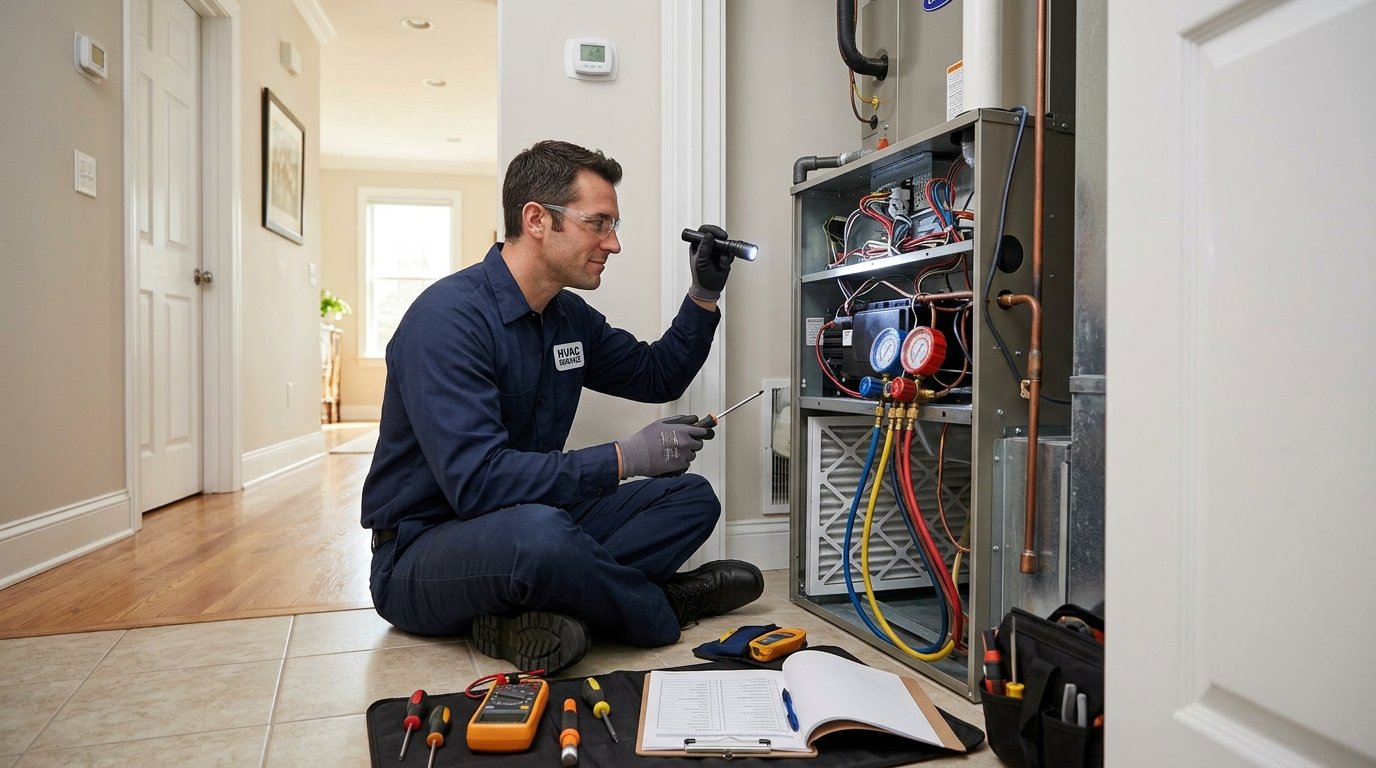
Routine AC tune-ups help the system use less electricity, deliver steadier temperatures, and avoid wear that can shorten its service life. A technician addresses airflow restrictions, dirty components, loose electrical connections, and drainage problems before they affect daily operation.
Improved Energy Efficiency
An air conditioner loses efficiency when dust coats the outdoor coil, the filter restricts airflow, or refrigerant levels do not support proper heat transfer. During a tune-up, a technician checks these conditions and cleans serviceable components so the system can move heat with less strain.
They also inspect electrical connections, capacitors, and the blower assembly. Weak electrical parts or a poorly operating blower can make cooling cycles longer and increase energy use.
Homeowners should replace or clean filters on the schedule recommended for their system and household conditions. A professional visit complements this basic task with a broader inspection of parts that homeowners should not service themselves.
Proper maintenance can support air-conditioner efficiency and performance while helping identify issues such as a blocked condensate drain or damaged insulation on refrigerant lines.
Greater Indoor Comfort
Comfort depends on more than the thermostat setting. The system must circulate enough conditioned air, remove humidity effectively, and cycle normally without frequent starts and stops.
A tune-up includes checks of the thermostat, airflow, evaporator coil condition, and condensate drainage. These steps can help a technician find causes of uneven room temperatures, weak airflow at vents, or excessive indoor humidity.
For example, a dirty evaporator coil may reduce cooling output, while a clogged drain can cause water leaks or shut down the system through a safety switch. Addressing these conditions helps the equipment maintain more consistent operation during hot weather.
Technicians may also identify problems in return-air pathways or duct connections that limit airflow. Regular AC maintenance supports consistent cooling by keeping core components clean and operating within their intended range.
Longer Equipment Lifespan
AC equipment experiences normal wear each time it starts, runs, and stops. Deferred maintenance can add stress when airflow is restricted, electrical components weaken, or coils cannot transfer heat effectively.
A technician checks for worn contactors, damaged wiring, unusual motor noise, and signs of refrigerant leaks. Early repairs often prevent a smaller component issue from forcing other parts, such as the compressor, to work harder.
Cleaning coils and verifying drainage also protects the system from conditions that contribute to corrosion, overheating, and water damage. These tasks do not guarantee a specific equipment lifespan, but they reduce avoidable operating stress.
Annual service gives the technician a record of changing performance and component condition. This history helps them recommend repairs at an appropriate time rather than waiting for a breakdown, a central benefit of annual air-conditioner tune-ups.
Recommended Maintenance Timing
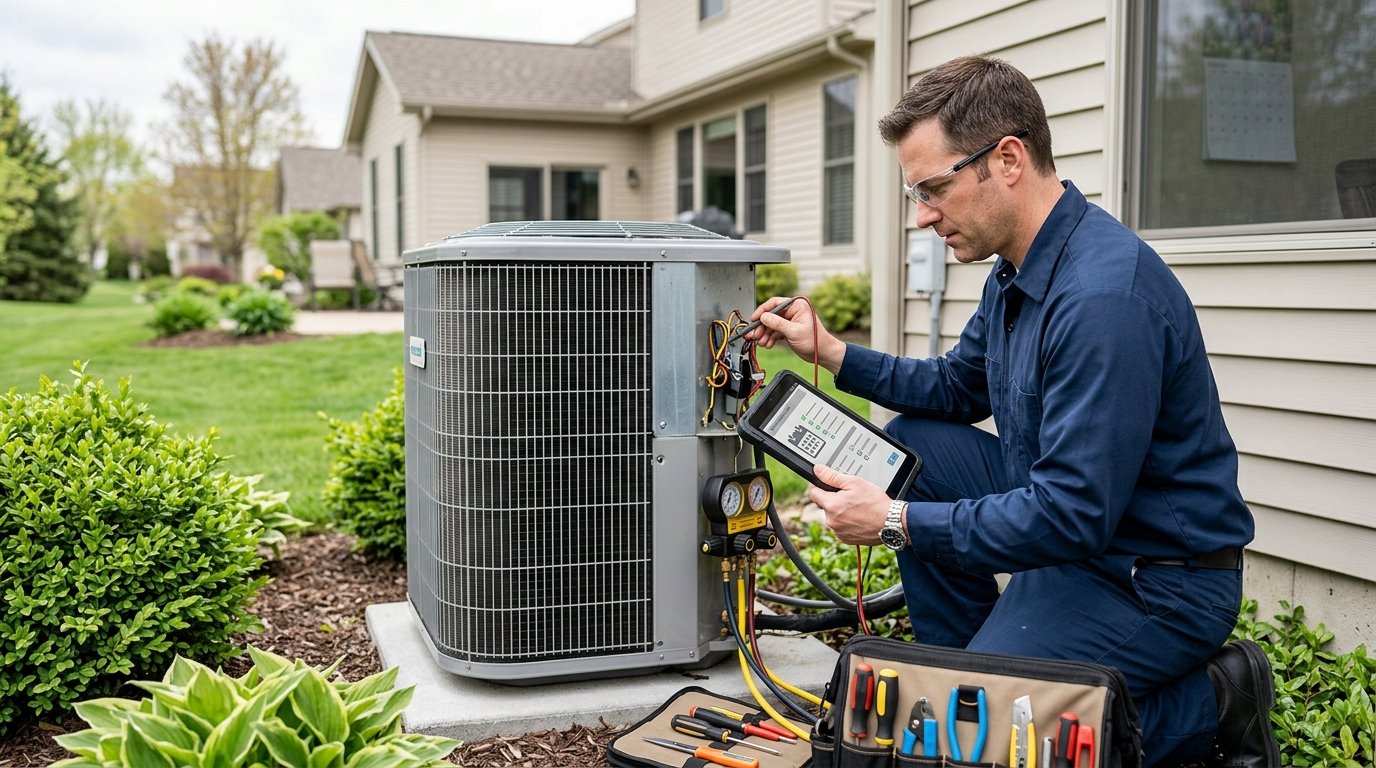
Most central air conditioners need one professional tune-up each year, scheduled before sustained hot weather begins. System age, operating hours, indoor air conditions, and prior performance determine whether a household needs more frequent visits.
Seasonal Scheduling
Schedule cooling-system maintenance in early spring, ideally several weeks before the household expects to use air conditioning daily. This timing gives a technician time to clean coils, test electrical components, check condensate drainage, and identify worn parts before high temperatures increase the system’s workload.
An annual AC tune-up before cooling season also allows time for repairs if the inspection finds a refrigerant leak, weak capacitor, damaged contactor, or airflow restriction. Waiting until the first heat wave may mean longer appointment delays and less time to correct problems.
For a heat pump that provides both heating and cooling, schedule service twice yearly: once in spring for cooling operation and once in fall for heating operation. The equipment runs through more of the year than a cooling-only system and benefits from two seasonal inspections.
Factors That Affect Frequency
Older equipment, generally systems approaching or beyond 10 years of operation, may need an additional inspection if it has a repair history or shows declining performance. Short cycling, uneven room temperatures, rising utility costs, water around the indoor unit, or unusual sounds justify service promptly rather than waiting for the annual visit.
Homes with pets, construction dust, smokers, or high pollen exposure may need more frequent filter changes and airflow checks. A clogged filter restricts airflow, strains the blower, and can contribute to frozen evaporator coils.
They should also consider usage patterns. An AC that operates daily for long periods in a hot climate experiences more wear than one used only occasionally; maintenance frequency can vary with usage and local conditions. Homeowners should replace or clean filters according to the manufacturer’s instructions between professional appointments.
Common Tasks Performed By Technicians
An AC tune-up examines airflow, heat-transfer components, drainage, refrigerant operation, and electrical controls. Technicians clean, test, and document conditions that can reduce cooling performance or contribute to equipment wear.
Filter Assessment
Technicians inspect the return-air filter for dust buildup, damage, and the correct size and installation direction. A restricted filter can limit airflow across the evaporator coil, which may reduce cooling capacity and place added strain on the blower system.
If the filter is disposable and dirty, they may replace it with a matching filter if one is available or recommend that the homeowner do so. Washable filters require cleaning and complete drying before reinstallation.
They also check for airflow restrictions around return grilles and supply vents. Furniture, closed registers, and blocked grilles can interfere with balanced air delivery even when the filter is clean.
A proper visit typically includes air-filter inspection and system airflow checks rather than simply replacing a filter without examining the rest of the air path.
Coil And Drain Care
The outdoor condenser coil releases heat removed from the home. Technicians inspect it for dirt, grass clippings, leaves, or bent fins that can obstruct airflow, then clean it when conditions require it.
They should disconnect power before servicing electrical equipment and use methods appropriate for the coil. Aggressive pressure or improper tools can damage delicate aluminum fins, so cleaning needs care.
Inside the system, they inspect the evaporator coil when it is accessible. Dust on this coil can hinder heat transfer, while ice, corrosion, or oil residue may indicate a problem requiring further diagnosis.
Technicians also inspect the condensate pan, drain line, and drain connection. They clear a developing blockage when possible and verify that water drains properly, since a clogged line can cause leaks or trigger a float safety switch. A thorough AC maintenance checklist includes coil cleaning and condensate-drain service.
Refrigerant And Electrical Checks
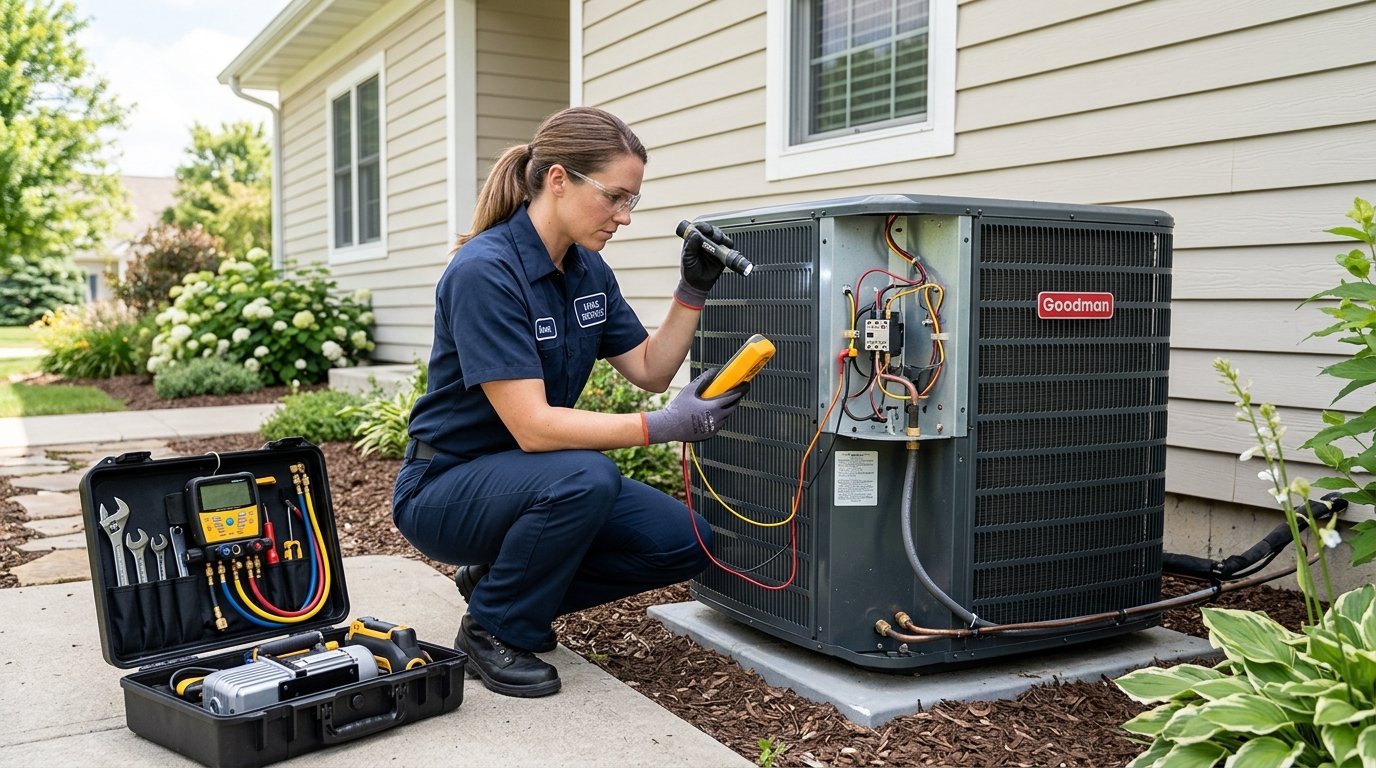
Technicians check for signs of refrigerant leaks, including oily residue at line connections, damaged insulation, coil corrosion, or abnormal operating readings. They measure system performance using approved instruments and compare readings with manufacturer specifications and outdoor conditions.
They do not treat refrigerant as a routine consumable. If readings suggest a low charge, a qualified technician should identify the cause before adding refrigerant; a sealed system normally should not need repeated recharging.
Electrical work includes inspecting wiring, terminals, capacitors, contactors, disconnects, and the condition of the blower and condenser motors. Loose or heat-damaged connections can create unreliable operation and should be corrected by a trained professional.
They also test thermostat operation and verify that the system starts, cools, and shuts off as commanded. These electrical, refrigerant, and thermostat checks help identify faults before they develop into a complete cooling interruption.
Choosing A Qualified HVAC Provider
A qualified provider verifies applicable credentials, defines the tune-up work in writing, and offers maintenance terms the homeowner can compare. These steps help prevent unclear pricing, incomplete inspections, and unsuitable service agreements.
Licensing And Experience
The homeowner should confirm that the company and assigned technician hold the provincial credentials required for the equipment and work involved, particularly where refrigerant handling or electrical repairs may be necessary. They should also ask for proof of liability insurance and confirm whether the company uses employees, subcontractors, or both.
Experience should match the system, not just the company’s years in business. A contractor who routinely maintains central air conditioners may not have the same familiarity with ductless mini-splits, heat pumps, or older equipment.
Useful screening questions include:
- Which AC brands and system types does the technician service?
- Does the technician diagnose refrigerant issues rather than automatically recommend a recharge?
- Can the company provide a written estimate for repairs found during the visit?
- What is the response process if the system fails after maintenance?
Homeowners can compare local options through Moncton HVAC contractor listings and customer reviews, but they should independently verify qualifications and insurance before booking.
Written Service Scope
A tune-up appointment should have a clear written scope before the technician arrives. “Maintenance” can mean anything from a basic visual check to a detailed inspection, cleaning, and performance assessment.
The service description should identify whether the visit includes filter inspection, condensate drain checks, outdoor-coil inspection, electrical connection checks, thermostat operation, blower assessment, and cooling performance testing. It should also state whether parts, refrigerant, deep coil cleaning, or drain-line clearing carry separate charges.
The homeowner should ask for the findings in writing, including measured readings when relevant and a distinction between urgent repairs and optional improvements. A provider should obtain approval before performing billable repairs beyond the scheduled tune-up.
Retailer-arranged HVAC maintenance services may provide a defined booking process, but the homeowner should still review the specific work included in the local service offering.
Maintenance Plan Options
A maintenance plan can suit a system that receives regular seasonal use, but the homeowner should compare its terms against paying for individual visits. Plans often include scheduled reminders, priority booking, service discounts, or a fixed number of inspections each year.
They should check whether the plan covers one cooling visit, both heating and cooling equipment, or only a specific unit. For heat pumps, a plan should reflect that the equipment typically operates in more than one season.
Before enrolling, the homeowner should review:
| Item to confirm | Why it matters |
|---|---|
| Annual price and renewal date | Prevents unexpected automatic renewal charges |
| Included tasks | Confirms the plan provides more than a brief inspection |
| Repair discounts and exclusions | Shows whether common parts or labour limits apply |
| Cancellation terms | Clarifies fees, refunds, and notice requirements |
| Emergency-service policy | Distinguishes priority scheduling from guaranteed same-day repair |
A Canadian HVAC specialist network can help identify participating contractors, while the homeowner should still compare plan scope, availability, and written terms.
Preparing For The Appointment
Clear access to the indoor and outdoor equipment, and give the technician specific details about any cooling or airflow problems. These steps help the appointment stay focused on the system’s actual condition.
Clearing Access To Equipment
They should clear a path to the indoor air handler, furnace, or evaporator coil cabinet before the technician arrives. This often means moving storage boxes, furniture, laundry items, or shelving away from equipment located in a basement, closet, attic, garage, or utility room.
Leave at least 3 feet of working space around the indoor unit when possible. The technician may need to remove access panels, inspect electrical connections, check the condensate drain, and examine the filter compartment.
Outside, they should remove leaves, grass clippings, toys, garden tools, and other loose items around the condenser. Shrubs and plants should not block the unit’s sides or top, since restricted airflow can affect its operation.
A practical AC tune-up appointment preparation checklist also includes securing pets and ensuring the technician can reach the thermostat. If the equipment sits behind a locked gate or in a restricted building area, someone should provide access at the scheduled time.
Sharing Performance Concerns
They should describe symptoms in specific terms rather than simply saying the AC “does not work well.” Useful details include when the issue began, how often it occurs, which rooms feel different, and whether the system runs continuously, cycles too quickly, or makes unusual sounds.
For example, they can note:
- Weak airflow from one or more vents
- Warm air during part of the cooling cycle
- Water near the indoor unit or a clogged-drain warning
- Clicking, buzzing, rattling, or grinding noises
- Higher electric bills without a known change in usage
- A thermostat that does not reach or hold its set temperature
They should also mention recent repairs, filter changes, power outages, or changes to the home, such as remodeling or new insulation. A technician typically checks items such as airflow, electrical components, coils, refrigerant-related performance, and condensate drainage during a professional AC tune-up, and clear symptom details help direct that inspection.
Maintaining Performance Between Visits
Routine filter care, clear outdoor equipment, and steady thermostat settings help an AC system maintain airflow and operate as intended between professional tune-ups. Homeowners should address simple upkeep promptly and leave electrical or refrigerant work to qualified technicians.
Regular Filter Changes
A clean return-air filter protects indoor airflow and reduces dust buildup on the evaporator coil. Many systems use a 1–3 month replacement interval, but homes with pets, smokers, construction dust, or frequent AC operation may need monthly checks. AC maintenance guidance on filter replacement intervals supports adjusting the schedule to household conditions.
They should check the filter monthly, even when its label lists a longer service life. Replace a disposable filter when it looks gray, visibly holds debris, or restricts airflow; washable filters must dry completely before reinstallation.
The filter must match the cabinet’s dimensions and point in the correct airflow direction. An arrow on the frame should face the air handler or furnace. Avoid using a high-resistance filter unless the system manufacturer or HVAC technician confirms that the equipment can support it.
Outdoor Unit Care
The outdoor condenser needs open space to release heat. Homeowners should keep grass, leaves, mulch, and stored items at least 2 feet from the sides of the unit, while maintaining clear space above it. They can gently remove loose debris from the cabinet with the system turned off at the thermostat and disconnect switch.
They should not bend the thin aluminum fins or spray the unit with high-pressure water. A garden hose on a gentle setting can rinse dirt from the outside of the coil, but a technician should handle heavily impacted coils, bent fins, damaged insulation, or electrical concerns.
During cooling season, they should watch for signs that require service:
- Warm air from supply registers
- Ice on refrigerant lines or the outdoor coil
- Persistent rattling, grinding, or buzzing
- Water collecting near the indoor equipment
- Frequent cycling on and off
Regular inspections and cleaning form part of a professional AC tune-up checklist, particularly for components homeowners should not disassemble.
Thermostat Best Practices
A programmable or smart thermostat should use stable cooling schedules rather than repeated, large temperature changes. They can set a comfortable occupied temperature and raise it modestly when the home is empty. Extreme setbacks may cause extended recovery periods during very hot weather.
The thermostat should sit away from direct sunlight, exterior doors, lamps, televisions, and supply vents. These heat or airflow influences can make it read the room inaccurately, causing unnecessary cooling cycles.
They should replace thermostat batteries when applicable and confirm that the system is set to Cool with the fan on Auto. The Auto setting runs the blower during active cooling cycles, while the On setting keeps it running continuously and may increase energy use.
If the thermostat display is blank, temperatures do not match the room, or the AC ignores settings, they should arrange service rather than repeatedly resetting the equipment.
Frequently Asked Questions
An AC tune-up combines cleaning, inspection, safety checks, and performance testing. Service frequency, pricing, and available promotions vary by system type, condition, region, and contractor.
What does an AC tune-up include?
A professional technician typically inspects and cleans the indoor and outdoor equipment. Common tasks include checking the air filter, cleaning accessible condenser components, examining electrical connections, testing capacitors and motors, verifying thermostat operation, and clearing the condensate drain.
The technician also checks refrigerant performance and looks for signs of leaks or restricted airflow. A detailed professional AC tune-up checklist may include measuring temperature differences, inspecting duct connections that are accessible, and testing the system’s cooling cycle.
How much does an AC tune-up typically cost?
AC tune-up pricing depends on the local market, equipment type, accessibility, maintenance-plan membership, and the tasks included. A basic inspection may cost less than a visit that includes coil cleaning, diagnostic testing, or minor repairs.
Homeowners should request a written description of the service before scheduling. The estimate should identify whether diagnostic fees, replacement filters, cleaning supplies, repairs, and refrigerant work carry separate charges.
Is an AC tune-up worth it?
Routine tune-ups can identify worn electrical parts, dirty coils, drainage problems, and airflow restrictions before they contribute to a system failure. Cleaning and adjustment also help the equipment operate under normal conditions rather than compensating for neglected maintenance.
A tune-up cannot guarantee that an older air conditioner will not fail. It can, however, document the unit’s condition and help a technician identify repairs that deserve attention.
How often should an air conditioner be serviced?
Most central air conditioners should receive professional service once each year, preferably before sustained warm weather begins. Heat pumps commonly need maintenance twice a year because they operate in both cooling and heating seasons.
Between visits, occupants should check the filter regularly and replace it when it is dirty or according to the manufacturer’s guidance. Regular filter care supports airflow and complements seasonal HVAC maintenance.
What is included in an HVAC tune-up checklist?
An HVAC tune-up checklist covers both cooling performance and equipment safety. For an AC system, it commonly includes:
- Inspecting and replacing or recommending replacement of the air filter
- Checking thermostat settings and system controls
- Inspecting electrical wiring, connections, capacitors, and contactors
- Cleaning accessible outdoor condenser components
- Inspecting the indoor evaporator area when accessible
- Checking condensate drainage and the drain pan
- Measuring refrigerant operation and inspecting for possible leaks
- Testing blower, fan, and compressor performance
- Verifying airflow and supply-air temperature
A complete AC maintenance checklist distinguishes homeowner tasks, such as filter replacement, from work that requires a qualified HVAC technician, such as electrical testing and refrigerant evaluation.
Where can I find AC tune-up specials near me?
Local HVAC contractors often advertise seasonal tune-up promotions before peak cooling weather. Manufacturer-authorized dealers, utility-company marketplaces, home-service platforms, and contractor email lists may also list maintenance-plan discounts or limited-time offers.
They should compare each offer by scope, not price alone. A useful special states which inspections and cleaning tasks it includes, whether it excludes repairs, and whether the contractor charges additional diagnostic or travel fees.